 ₹ INR
₹ INR
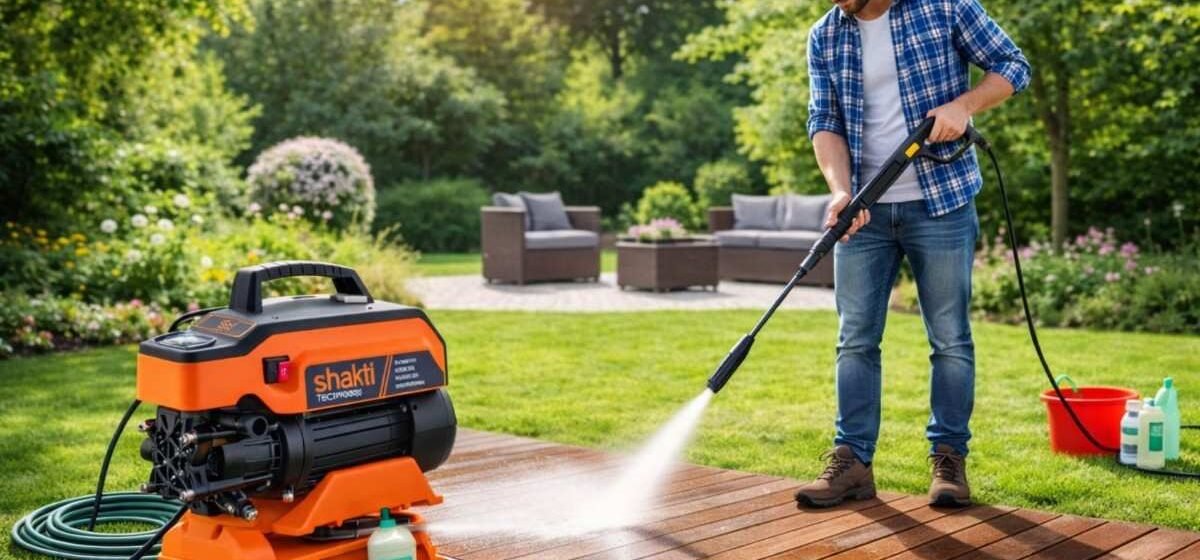
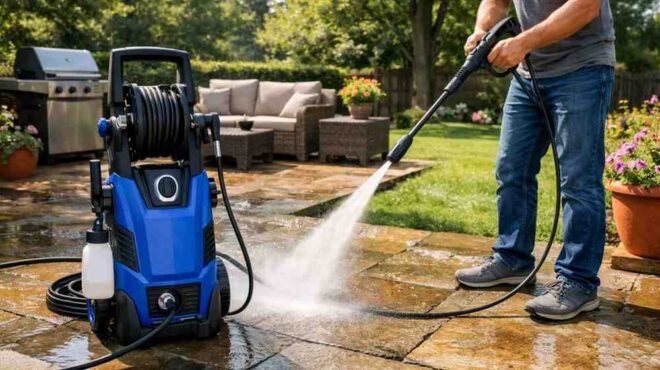
Pressure washers are powerful cleaning machines, but beginners often struggle with choosing the right pressure, nozzle, and technique. This can lead to poor cleaning results or accidental damage. Understanding the basics before starting makes pressure washing easier, safer, and more effective. With the right steps and quality tools from SGT Multiclean Equipments, even first-time users can achieve professional-level cleaning at home.
Why Beginners Need Proper Pressure Washer Knowledge
Pressure washers operate with strong water force, so using them without guidance can cause surface damage or safety risks. As a beginner, learning how pressure levels, spray patterns, and nozzles work helps you clean more effectively while protecting surfaces such as driveways, patios, walls, and vehicles.
Beginner’s Guide to Using Pressure Washers Effectively
This section explains pressure washer basics, setup guidance, safety measures, and techniques for efficient cleaning.
1. Understand the Basics of a Pressure Washer
Pressure washers operate using high-pressure water created by an electric motor or engine. Before starting, a beginner should know the main components:
- Water inlet
- High-pressure hose
- Spray gun
- Nozzles
- Pressure settings
- Power source
These parts work together to produce the cleaning force. Once you learn their function, using the pressure washer becomes easier.
How this helps beginners
Understanding the basics prevents misuse. When you know what each part does, you can identify problems, adjust settings properly, and clean more efficiently.
2. Choose the Right Nozzle for Each Surface
Pressure washers come with color-coded nozzles that control spray angle and pressure level.
- Red nozzle (0°): Very strong and focused
- Yellow nozzle (15°): Good for tough stains
- Green nozzle (25°): Suitable for general cleaning
- White nozzle (40°): Recommended for delicate areas
Beginners often make the mistake of selecting the wrong nozzle, which leads to surface damage or poor cleaning results.
Why nozzle selection matters
Each nozzle affects water pressure and cleaning width. Using a high-pressure nozzle on delicate surfaces can cause scratches, while using a wide nozzle on tough stains may not clean effectively. Choosing correctly ensures better results with zero harm.
3. Start With Low Pressure and Increase Gradually
One of the most important beginner tips is to start with the lowest pressure setting. Once you see how the surface reacts, you can increase the pressure slowly.
- Begin far from the surface
- Spray a small test area
- Gradually move closer if needed
Why beginners should avoid high pressure
High pressure can chip paint, leave marks, or damage wood, tiles, or concrete. Starting low gives better control and improves the overall cleaning outcome.
4. Maintain a Safe Distance While Cleaning
Distance plays a major role in pressure washing. Standing too close increases pressure impact and may damage surfaces.
- Maintain 2–3 feet distance
- Move closer only if required
- Keep the spray angled slightly downward
Benefits of keeping distance
Maintaining distance helps achieve even cleaning without harsh marks or streaks. It also keeps the user safe from flying dirt or water recoil.
5. Learn Proper Spray Movement for Better Cleaning
Using smooth and steady spray movements ensures consistent cleaning.
- Move left to right
- Follow top to bottom direction
- Overlap strokes for even coverage
Why technique matters
Beginners often spray randomly, which leads to uneven patches. A consistent spray pattern ensures a clean, polished finish.
6. Know Which Surfaces Need Extra Care
Not all surfaces can handle high pressure.
Surfaces that require low pressure:
- Car bodies
- Painted walls
- Glass windows
- Wooden furniture
- Tile joints
Surfaces that can handle higher pressure:
- Concrete floors
- Brick walls
- Metal gates
- Outdoor pavements
Why this matters
Using the wrong pressure on delicate surfaces can cause permanent damage. Knowing surface requirements helps you clean safely.
7. Use Detergents Correctly for Better Results
Detergents break down grease and stubborn dirt. However, beginners should know how to use them properly.
- Use only pressure-washer-safe detergents
- Apply foam using a detergent nozzle
- Let the detergent rest for 5–10 minutes
- Rinse with clean water
Benefits of proper detergent use
It makes cleaning faster, reduces pressure usage, and gives smoother results without damaging the machine.
8. Follow Setup and Shutdown Procedures Properly
Incorrect setup and shutdown can damage the machine.
Setup steps:
- Connect water supply
- Attach high-pressure hose
- Choose correct nozzle
- Turn on water first, then power
Shutdown steps:
- Turn off power
- Release pressure from the spray gun
- Disconnect hoses
- Store the machine dry
Why this matters for beginners
Proper handling increases machine life and prevents internal damage due to trapped pressure.
9. Practice Safe Handling and Maintenance
Beginners should treat pressure washers with the same care as any powerful tool.
Safety points:
- Wear gloves and eye protection
- Avoid pointing spray at people
- Do not spray electrical outlets
- Check for hose leaks
Maintenance points:
- Clean nozzles after use
- Check hose condition
- Store the machine away from direct sunlight
Benefits for beginners
Good maintenance keeps the pressure washer running smoothly and reduces repair costs.
Common Beginner Mistakes to Avoid
Beginners often repeat simple mistakes that affect the cleaning outcome. These include:
- Using too much pressure
- Holding the spray too close
- Skipping detergent usage
- Choosing the wrong nozzle
- Ignoring safety gear
Avoiding these mistakes improves efficiency and protects surfaces from accidental damage.
FAQs
1. Is a pressure washer easy for beginners to use?
Yes, as long as you understand basic safety steps and correct usage techniques.
2. Can beginners use detergents with pressure washers?
Yes, but only use detergents recommended for your machine to avoid clogging or damage.
3. How far should I hold the pressure washer from the surface?
Maintain a safe distance of 2–3 feet and adjust as needed based on pressure level.
4. Which surfaces should beginners avoid washing at high pressure?
Avoid using high pressure on wood, painted surfaces, windows, and vehicles.
5. How often should beginners maintain their pressure washer?
Check hoses, nozzles, and connections before each use and clean the machine after every session.
Conclusion
Pressure washing becomes simple and highly effective when beginners understand the right techniques and safety practices. By choosing the correct pressure, using suitable nozzles, and following step-by-step guidance, anyone can achieve clean and spotless surfaces with ease. With reliable tools and support from SGT Multiclean Equipments, beginners can enjoy safe, smooth, and efficient cleaning results every time. For product details, guidance, or support, feel free to contact now.