 ₹ INR
₹ INR
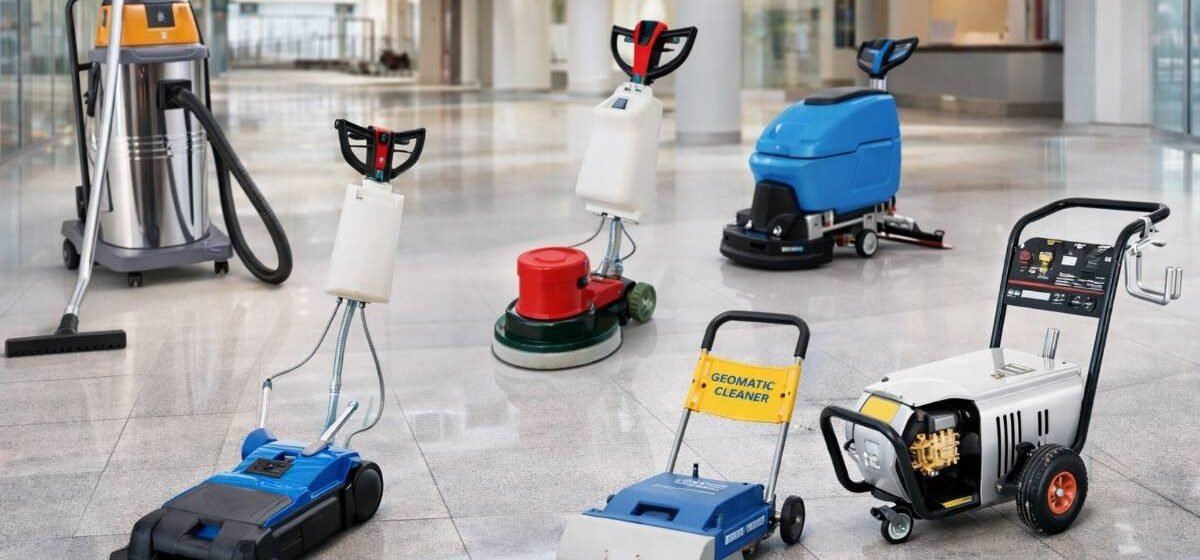
Choosing the right housekeeping equipment can be challenging, especially when there are so many tools available for different cleaning needs. Many users end up buying items that don’t last long or fail to deliver proper results. Understanding what to look for in quality cleaning tools helps ensure better performance, longer durability, and smoother cleaning tasks. With the right guidance and reliable products from SGT Multiclean Equipments, selecting the best housekeeping equipment becomes easier and more effective.
Why Choosing the Right Housekeeping Equipments Matters
Buy Proper housekeeping tools to improve cleaning efficiency, that reduce physical effort, and keep different spaces hygienic. When the wrong items are selected, cleaning becomes time-consuming, and tools wear out quickly. Investing in durable and well-designed equipment ensures long-term performance and better cleaning results.
How to Choose the Best Housekeeping Equipments
1. Identify Your Cleaning Requirements
Before buying any housekeeping equipment, start by understanding your space and cleaning goals. Every environment has different needs.
Consider These Factors:
- Size of the area
- Type of flooring
- Level of dirt or daily foot traffic
- Surfaces that need dusting, wiping, or mopping
- Need for deep cleaning or regular maintenance
Example:
Homes require basic tools like mops, brooms, and vacuum cleaners, while hotels or offices may need floor scrubbers, wet/dry vacuums, trolleys, and high-grade cleaning machines.
2. Choose Tools Based on Daily vs. Deep Cleaning
Different housekeeping equipments serve different purposes. Daily cleaning tools are designed for routine tasks, while deep cleaning tools handle heavy dirt, stains, and maintenance.
Daily Cleaning Equipment:
- Microfiber cloths
- Mops and buckets
- Brooms and dustpans
- Toilet brushes
- Small dusters
- Spray bottles
Deep Cleaning Equipment:
- Scrubbing machines
- Steam cleaners
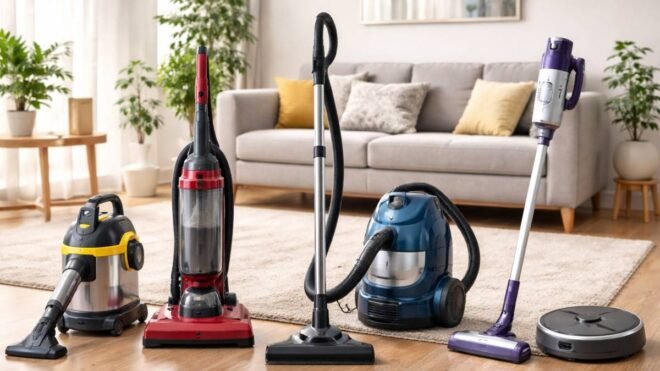
- Powerful vacuum cleaners
- Pressure washers
- Upholstery cleaners
Choose a mix of both based on your environmental needs.
3. Look for Equipment That Saves Time
Housekeeping efficiency depends on how quickly tasks can be completed. Equipment designed for ease of use significantly improves productivity.
Time-Saving Housekeeping Tools:
- Microfiber flat mops instead of traditional cotton mops
- Multi-purpose cleaning trolleys
- Wet/dry vacuums
- Automatic scrubbers
Selecting tools that reduce cleaning time helps maintain large spaces more effectively.
4. Focus on Durability and Build Quality
Housekeeping equipment is used daily, sometimes for long hours. Weak or low-quality tools break fast and require frequent replacement.
Key durability factors include:
- Strong handles and sturdy body materials
- Corrosion-resistant metals
- High-grade plastic or composite materials
- Smooth wheel function for trolleys
- Reliable motor capacity for machines
Invest in equipment that guarantees long-term performance.
5. Ensure Comfort and Ease of Use
Ergonomics play a major role in housekeeping. Equipment that is hard to handle causes discomfort, fatigue, and reduced performance.
Choose equipment that is:
- Lightweight
- Easy to operate
- Comfortable to hold
- Adjustable in height
- Designed with proper grip and balance
User-friendly tools encourage better and safer cleaning practices.
6. Select Equipment Based on Surface Type
Every surface requires the right cleaning equipment to avoid damage and ensure proper results.
Examples:
- Marble and vitrified floors: Soft microfiber mops, auto scrubbers
- Wooden floors: Dry mops, low-pressure vacuum cleaners
- Tiles and concrete: Scrubbers, high-performance mops
- Carpets: Carpet extractors, vacuum cleaners
Choosing surface-appropriate tools enhances cleaning efficiency.
7. Consider Storage and Mobility
Housekeeping equipments must be stored properly to maintain their longevity. Compact, easy-to-store tools help keep the area organized.
Look for features like:
- Foldable or stackable equipment
- Cleaning trolleys with compartments
- Wall-mountable racks
- Lightweight machines with wheels
Equipment with proper storage design is easier to move around, especially in large facilities.
8. Check Compatibility With Cleaning Chemicals
Some cleaning machines or accessories are sensitive to certain chemicals. Always choose tools that work well with the cleaning products you use.
For example:
- Certain floor scrubbers cannot use acidic cleaners
- Some cloth materials react with strong disinfectants
- Vacuum filters must be compatible with dry or wet dirt
Using compatible tools prevents damage and ensures safe cleaning.
9. Prioritize Safety Features
Safety is crucial, especially in commercial and industrial housekeeping.
Important safety features include:
- Non-slip mop handles
- Spill-proof buckets
- Shock-proof motors in machines
- Thermal protection in vacuums
- Stable wheels for trolleys
The right safety features reduce accidents and promote smooth operation.
10. Compare Cost vs. Value
Price alone should not be the deciding factor when choosing housekeeping equipment. Instead, evaluate long-term value.
Consider these factors:
- Durability
- Maintenance cost
- Warranty availability
- Repair support
- Replacement part availability
Investing in quality tools reduces overall cleaning expenses in the long run.
11. Buy Equipment That Matches Your Space Size
The size of your environment determines what type of tools you need.
For Small Spaces:
- Handheld vacuum cleaners
- Compact mops
- Simple trolleys
- Small scrubbers
For Large Spaces:
- Ride-on scrubbers
- Industrial vacuum cleaners
- Large trolleys
- High-capacity mops and buckets
Choosing right-sized equipment increases efficiency.
12. Choose Eco-Friendly Options When Possible
Eco-friendly housekeeping tools reduce chemical usage and environmental impact.
Examples:
- Microfiber mops that clean without chemicals
- HEPA filter vacuum cleaners
- Reusable dusting cloths
- Low-water-consumption cleaning systems
Sustainable equipment supports hygiene and environmental safety.
FAQs
1. What are the most essential housekeeping equipments for beginners?
Basic items include mops, buckets, microfiber cloths, vacuum cleaners, dustpans, and spray bottles.
2. How often should housekeeping equipment be replaced?
It depends on usage and quality, but tools should be checked monthly, and worn-out items replaced immediately.
3. Is it better to buy manual tools or machines?
Manual tools are good for basic cleaning, while machines are recommended for large spaces or deep cleaning.
4. What should I consider when buying cleaning trolleys?
Look for durability, multiple compartments, smooth wheels, and enough storage for daily cleaning supplies.
5. Are microfiber cloths better than cotton cloths?
Yes, microfiber offers better dust capture, dries quickly, and lasts longer compared to cotton.
Conclusion
Choosing the best housekeeping equipment starts with understanding your cleaning needs, evaluating durability, and selecting tools that provide comfort and long-lasting performance. Investing in reliable, well-designed cleaning tools helps you achieve better results with less effort. If you need help selecting the right equipment, get in touch with us for quick assistance. With trusted solutions from SGT Multiclean Equipments, maintaining hygiene and efficiency in any space becomes much easier.