 ₹ INR
₹ INR
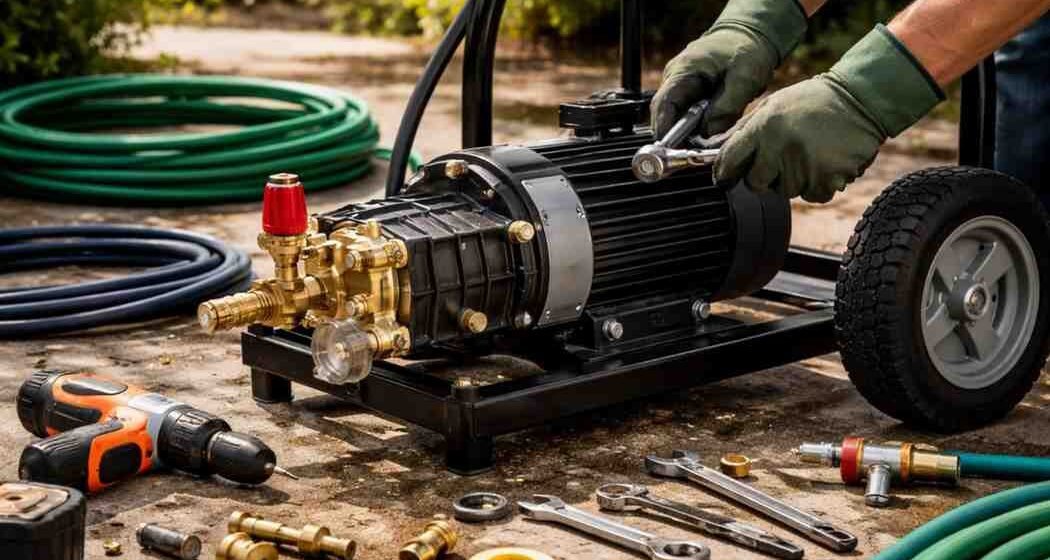
Installing a pressure washer pump and motor may look complicated at first, especially if you are new to cleaning equipment. But with the right guidance and a little patience, the process becomes much easier. Whether you are repairing an old machine or assembling a new one, understanding how the pump and motor work together is very important.
Many first-time buyers seek professional guidance from trusted suppliers like SGT Multiclean Equipments to make sure they select compatible parts and set them up properly. In this pressure washer pump and motor installation guide, we break down each step in simple and easy-to-understand language so that even beginners can follow the process with confidence.
Understanding the Basics of a Pressure Washer
Before starting installation, you must know the two main parts:
1. Motor
The motor is the heart of the machine. It provides power to run the pump. Motors can be electric or petrol-based, but for home and small commercial use, electric motors are more common.
2. Pump
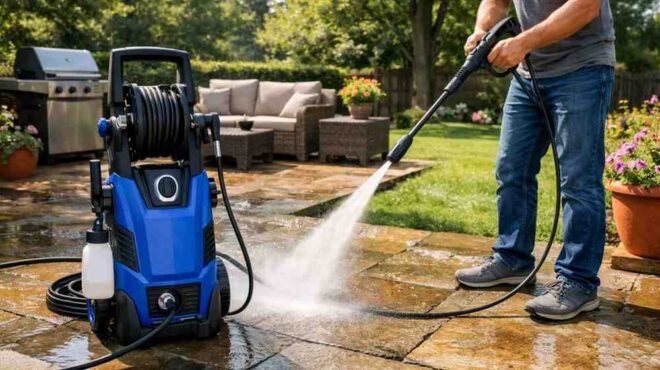
The pump pushes water at high pressure through the hose and spray gun. Without the pump, the machine cannot generate pressure.
The motor and pump must be properly connected for smooth operation.
Why Proper Installation is Important
Incorrect installation can cause:
- Low water pressure
- Motor overheating
- Pump damage
- Water leakage
- Reduced machine life
When installed correctly, your pressure washer will run efficiently and last longer.
Best Guide to Pressure Washer Pump and Motor Installation
This section provides a complete step-by-step explanation of the installation process, along with a beginner’s guide to using pressure washers effectively, helping you understand both setup and proper usage with clarity and confidence.
Step 1: Check Compatibility
Before installation, make sure:
- Motor RPM matches pump rating
- Mounting type is compatible (direct drive or belt drive)
- Voltage matches your power supply
- Shaft size fits correctly
Using incompatible parts may damage the machine immediately.
Step 2: Prepare Tools and Workspace
You will need:
- Spanner set
- Screwdrivers
- Adjustable wrench
- Coupling or pulley (depending on type)
- Teflon tape
- Bolts and nuts
Work in a clean and dry area with proper lighting.
Step 3: Mount the Motor Properly
Place the motor on a stable base frame. Make sure:
- The surface is level
- Motor bolts are tightly secured
- No movement occurs when running
A loose motor can cause vibration and noise.
Step 4: Install the Pump
There are two common installation types:
Direct Drive Installation
In this type, the pump is directly connected to the motor shaft.
- Align pump shaft with motor shaft
- Fix the coupling
- Tighten bolts evenly
- Ensure no gap or misalignment
This method is simple and commonly used in domestic pressure washers.
Belt Drive Installation
In this type, a belt connects motor and pump.
- Install pulleys on both shafts
- Align pulleys correctly
- Fix belt with proper tension
- Avoid too tight or too loose belt
Belt drive systems reduce vibration and increase pump life.
Step 5: Connect Water Inlet and Outlet
After mechanical installation:
- Connect inlet pipe to water source
- Ensure proper sealing with Teflon tape
- Connect outlet hose to spray gun
- Check for leakage
Always ensure clean water supply to avoid pump damage.
Step 6: Electrical Connection
If using an electric motor:
- Check correct voltage
- Use proper wiring
- Ensure proper earthing
- Avoid loose connections
If unsure, consult a qualified electrician.
Step 7: First Test Run
Before full operation:
- Turn on water supply
- Allow water to flow through pump
- Start motor for a few seconds
- Check pressure output
- Inspect for vibration or leakage
Never run the pump without water. It can damage seals instantly.
Common Installation Mistakes to Avoid
Beginners often make these mistakes:
- Misalignment of motor and pump
- Using incorrect RPM motor
- Running pump dry
- Ignoring electrical safety
- Over-tightening bolts
Avoiding these mistakes will save repair costs.
Safety Tips During Installation
Safety should always come first:
- Disconnect power before installation
- Wear gloves
- Keep hands away from rotating parts
- Do not test machine without proper connections
- Keep children away from workspace
Proper safety measures prevent accidents.
How to Maintain Pump and Motor After Installation
Once installed, regular maintenance ensures smooth performance.
1. Check Oil Level (if oil-based pump)
Keep oil at recommended level.
2. Clean Filters
Blocked filters reduce pressure.
3. Inspect Hoses
Look for cracks or leaks.
4. Tighten Bolts Periodically
Vibrations can loosen bolts over time.
5. Avoid Overuse
Do not run machine continuously for long periods without breaks.
Signs of Improper Installation
If you notice these issues, recheck installation:
- Unusual noise
- Excess vibration
- Water leakage
- Low pressure
- Motor overheating
Correcting issues early prevents major damage.
When to Seek Professional Help
Even though installation is manageable, sometimes expert help is better:
- If motor wiring is confusing
- If pump alignment is difficult
- If machine produces abnormal sound
- If pressure is inconsistent
Experienced suppliers like SGT Multiclean Equipments can guide beginners in selecting compatible motors and pumps, ensuring proper setup and long-term performance.
Benefits of Proper Pressure Washer Pump and Motor Installation
Correct installation offers many advantages:
- Better pressure output
- Longer equipment life
- Reduced repair costs
- Smooth operation
- Energy efficiency
A properly installed system works efficiently for years.
How Long Does Installation Take?
For beginners, installation may take:
- 1–2 hours for direct drive
- 2–3 hours for belt drive
With practice, it becomes quicker and easier.
Choosing Quality Components Matters
Always invest in:
- Durable pump
- Reliable motor
- Good quality coupling or belt
- Strong mounting frame
Low-quality parts may fail quickly and increase maintenance costs.
Buying from trusted suppliers ensures you get genuine components with warranty support. That’s why many customers prefer solutions from SGT Multiclean Equipments for reliable pressure washer systems.
FAQs
1. Can I install a pressure washer pump myself?
Yes, if you follow proper steps and safety precautions. However, beginners should seek guidance if unsure.
2. What happens if motor RPM is higher than pump rating?
It can damage the pump, reduce lifespan, and cause overheating.
3. Is belt drive better than direct drive?
Belt drive reduces vibration and heat, making it suitable for heavy use. Direct drive is simple and good for domestic use.
4. Why is my pressure washer vibrating too much?
Possible reasons include misalignment, loose bolts, or improper belt tension.
5. How often should I check pump alignment?
It is recommended to check alignment every 3–6 months, especially if used regularly.
Conclusion
Installing a pressure washer pump and motor may seem complicated at first, but with proper guidance and careful execution, even beginners can complete it successfully. Correct alignment, safe electrical connections, and regular maintenance are essential for smooth and efficient performance. Using high-quality and compatible parts helps avoid breakdowns and ensures long-term durability. Trusted suppliers like SGT Multiclean Equipments for pressure washer pump solutions offer reliable products and expert support to help you get the best results. Take the next step today and choose the right components to enjoy powerful, hassle-free cleaning performance for years to come.