 ₹ INR
₹ INR
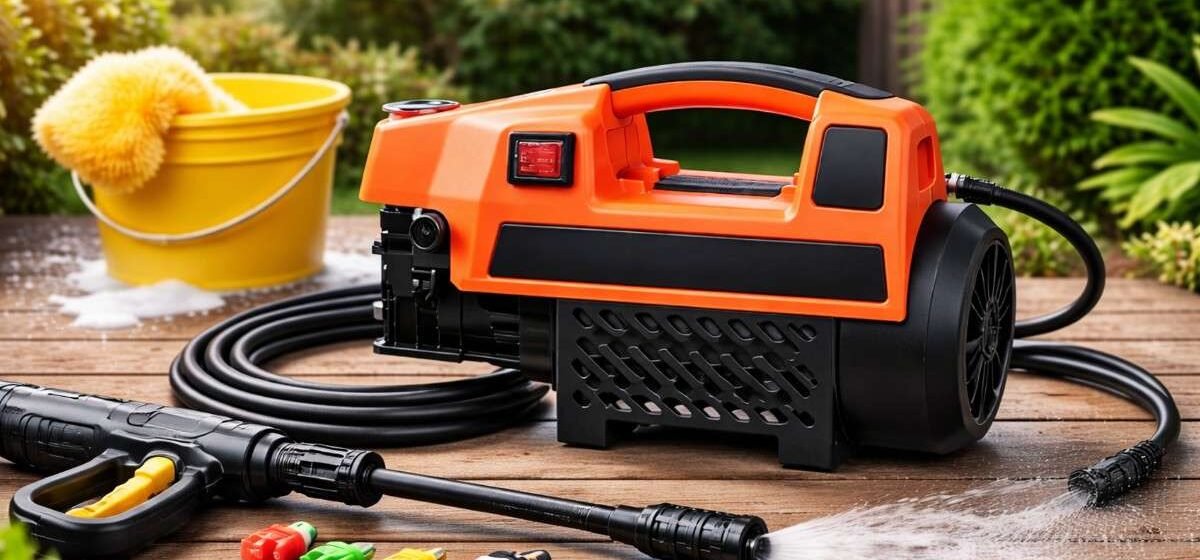
Using a pressure washer for the first time can feel overwhelming, especially when you are unsure about how much pressure to use or how to handle the machine safely. Many beginners end up damaging surfaces or hurting themselves due to improper handling. This is why understanding the right safety steps is essential before starting any cleaning job. With helpful guidance and the right equipment from SGT Multiclean Equipments, beginners can clean efficiently without worrying about safety risks.
Why Safety Matters When Using a Pressure Washer
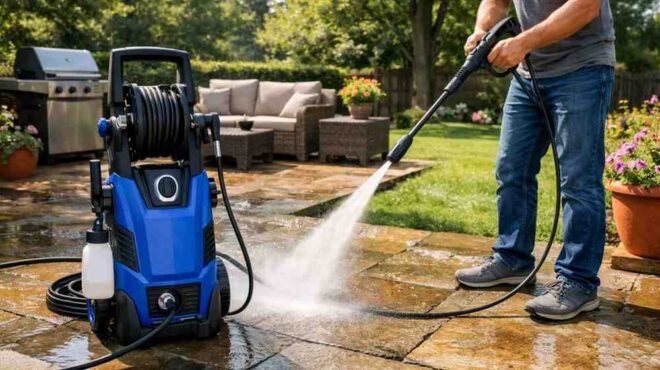
Pressure washers may look simple, but they release water at extremely high pressure. Without proper precautions, they can cause injuries, damage paint, or even crack surfaces. Learning safe practices ensures longer machine life, smooth cleaning, and stress-free usage. This is especially important for first-time users who are still getting familiar with pressure levels, spray patterns, and machine control.
Safe Pressure Washer Tips Every Beginner Should Know
Make your cleaning experience safe and effective with these essential tips:
1. Read the Manual Before Starting
- Check all instructions provided for setup and handling.
- Understand the correct nozzle types and pressure settings.
2. Wear Protective Gear
- Use safety goggles to protect your eyes.
- Wear sturdy shoes and gloves while operating the machine.
3. Start With Low Pressure
- Begin cleaning with the lowest setting, then increase slowly.
- Avoid using high pressure on delicate surfaces like wood, paint, or tiles.
4. Maintain Safe Distance
- Keep at least 2–3 feet distance from the surface.
- Avoid pointing the spray at people, pets, or electrical units.
5. Use the Right Nozzle for Each Task
- A wide-angle nozzle is best for general cleaning.
- Narrow-angle nozzles should be used carefully due to higher force.
Understanding Pressure Washer Safety Basics
Pressure washers release water at high pressure, making them effective but also potentially dangerous. Understanding how they work is the foundation of safe operation. Whether it’s an electric or petrol model, each machine carries risks if handled carelessly. Beginners should focus on learning the basic functions, such as nozzles, pressure settings, and start-up steps before beginning any cleaning job.
Knowing the safety basics also helps you avoid beginners’ mistakes like using the wrong pressure for delicate surfaces or pointing the spray toward unsafe areas. When you understand your equipment well, you get better results with less effort. This simple knowledge also keeps your surroundings, surfaces, and the machine safe from damage.
Choosing the Right Pressure Setting for Safe Cleaning
Selecting the right pressure level matters because each surface reacts differently to water pressure. Higher pressure may remove dirt quickly, but it can also damage paint, tiles, wooden floors, and delicate objects. Beginners should always start with the lowest setting and increase gradually only when needed. This prevents unnecessary wear and ensures gentle yet effective cleaning.
Another good practice is testing the pressure on a small spot before cleaning the entire surface. Surfaces like cars, glass, garden furniture, and tiles have different tolerance levels, so choosing wisely avoids breakage or scratches. Using the correct settings also saves water and energy while improving cleaning efficiency.
Key Tips:
• Start with the lowest pressure and increase only as required
• Test on a small area before full cleaning
Using the Right Nozzle for Better Safety and Results
Different nozzles create different spray patterns, and each pattern is made for a specific type of cleaning. A narrow nozzle creates a more powerful stream, while a wider nozzle spreads the water, reducing pressure. Beginners often underestimate the impact of the wrong nozzle, leading to surface damage. Learning to match the nozzle to the task helps avoid accidents.
Color-coded nozzles make it easier to identify the spray angle. Wider angles work best for gentle cleaning around your home, while narrow nozzles are better for strong, targeted cleaning. Always keep a safe distance when using pressure washers to avoid sudden pressure force.
Key Tips:
• Use wider nozzles for home surfaces and gentle cleaning
• Never use high-pressure nozzles on delicate areas
Ensuring Proper Distance and Angle While Spraying
Maintaining distance is one of the simplest yet most important safety rules for beginners. Getting too close to the surface increases the chance of accidental cuts or damage. A minimum distance of 1 to 2 feet helps maintain safety while giving you better control. This also prevents recoil, a common issue when the spray is too close to the surface.
Angles also play a key role in safe cleaning. Spraying straight can be too strong for certain surfaces, while angling the spray lets water flow smoothly without harming the area. Beginners should practice controlling both distance and angle to improve stability and achieve cleaner results.
Key Tips:
• Maintain at least 1–2 feet distance from surfaces
• Use angled spraying for softer cleaning impact
Protective Gear Every Beginner Should Use
Beginners often underestimate the importance of wearing proper safety gear. Since pressure washers operate with strong force, protective wear reduces the risk of injury. Eye protection is especially important because water and debris can bounce back. Wearing gloves provides better grip and control during long cleaning sessions.
Rubber footwear helps prevent slipping, especially when working on wet surfaces. Using ear protection may also be useful if your pressure washer produces loud noise. These simple additions increase user confidence and help beginners stay safe throughout the cleaning process.
Key Tips:
• Wear eye protection, gloves, and non-slip footwear
• Use noise protection if your model is loud
Safe Use of Detergents and Cleaning Solutions
Detergents make cleaning easier, but using them incorrectly can damage surfaces or leave unwanted stains. Beginners should always check whether their pressure washer supports detergent application. Only approved cleaning solutions should be used to avoid clogging or corrosion. Reading the instructions on both the machine and detergent bottle ensures safe application.
Applying too much detergent can also create slippery areas, increasing the chance of accidents. Beginners should apply detergents evenly and rinse thoroughly with clean water. Proper handling of cleaning solutions adds safety and improves cleaning results.
Key Tips:
• Use only pressure-washer-approved detergents
• Rinse well to avoid slippery surfaces
Avoiding Electrical Hazards During Pressure Washing
Water and electricity are a dangerous combination. Beginners using electric pressure washers must take extra care to keep plugs, cords, and sockets dry. Always use waterproof extension cords designed for outdoor use. Position cables in such a way that water does not flow over them.
Keeping the machine away from puddles is also essential. Never handle electrical parts with wet hands, and disconnect the power supply immediately if anything feels unsafe. Following these precautions keeps the user protected from electrical accidents.
Key Tips:
• Use outdoor-rated cords only
• Keep electrical connections completely dry
Preventing Surface Damage with Correct Techniques
Pressure washers can cause scratches, dents, or paint removal if used incorrectly. Beginners should identify the surface type before cleaning. Materials like wood, car paint, tiles, and glass require lower pressure and gentle spray patterns. Hard surfaces like concrete or metal can tolerate higher pressure but still require controlled movement.
Moving the spray in steady, consistent motions prevents uneven cleaning marks. Beginners should avoid holding the spray in one spot for too long. Practicing small sections first helps build confidence and ensures safe cleaning without damage.
Key Tips:
• Avoid constant spraying on one spot
• Match pressure according to surface type
Keeping the Area Clear and Safe While Cleaning
A clean working area ensures safe and efficient cleaning. Remove loose objects, wires, or clutter before starting. This prevents slips or entanglement during the cleaning process. Inform people nearby, especially children, to maintain distance while pressure washing.
Pets should also be kept away because the high-pressure stream can cause injuries. Maintaining a clear zone keeps the user focused and avoids sudden distractions. With fewer obstacles, the process becomes smoother and safer for beginners.
Key Tips:
• Clear the area before use
• Keep children and pets away
Proper Machine Handling and Storage for Safety
Proper handling extends the life of your pressure washer and reduces risks. Turn off the machine when not in use and release any built-up pressure before disconnecting hoses. Beginners should also allow the machine to cool down before storing it, especially after long use.
Storing the pressure washer in a dry place prevents rust and keeps electrical parts safe. Regular maintenance like cleaning nozzles and checking hoses prevents malfunction during the next use. Safe storage ensures your machine remains efficient for years.
Key Tips:
• Release pressure before packing the machine
• Store in a dry and shaded location
FAQs
1. Can beginners use a pressure washer without training?
Yes, but basic knowledge of safety steps and machine handling is necessary before starting.
2. What surfaces should beginners avoid using high pressure on?
Avoid using high pressure on cars, wooden surfaces, windows, and painted areas.
3. How often should I check the pressure washer parts?
Check hoses, nozzles, and connections before every use to avoid leaks or damage.
4. Is electric pressure washer safer for beginners?
Yes, electric models are easier to control and suitable for light to medium cleaning tasks.
5. Can pressure washing cause injuries?
Yes, if mishandled. High-pressure water can cut skin or cause bruising, so safety precautions are important.
Conclusion
Pressure washers can make cleaning extremely fast and efficient when handled safely. By following these beginner-friendly tips and understanding how pressure and nozzles work, you can avoid common errors and achieve smoother, safer cleaning results. To strengthen your overall cleaning knowledge, you can also explore our helpful guide on cleaning mistakes to avoid better and more effective cleaning practices. Choosing reliable tools from SGT Multiclean Equipments ensures safer operation and long-lasting performance. With the right knowledge and quality equipment from SGT Multiclean Equipments, even first-time users can clean confidently and safely. For product details, guidance, or support, contact now.