 ₹ INR
₹ INR
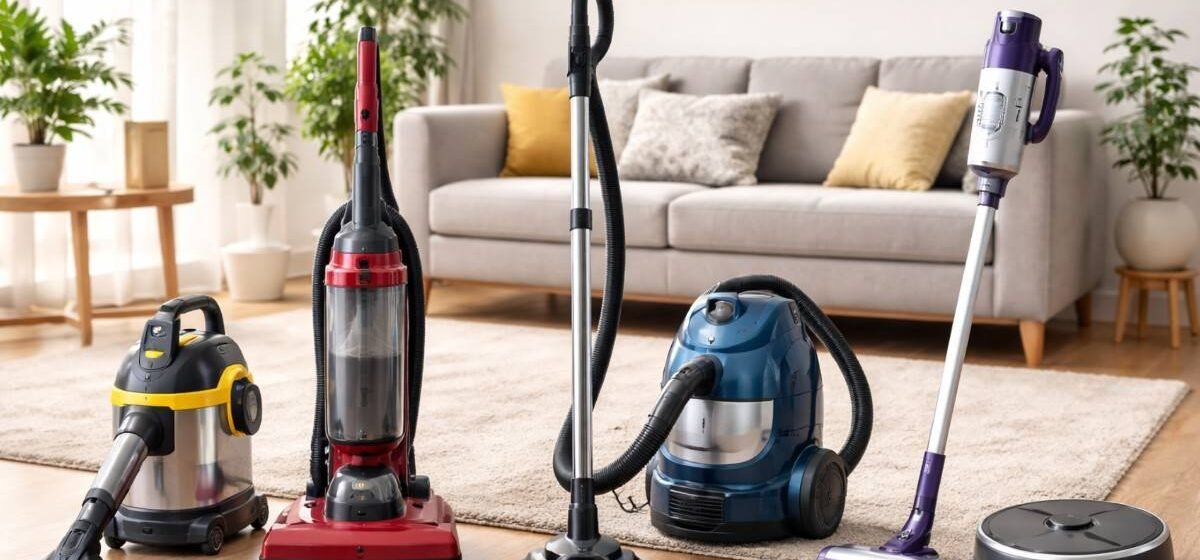
Vacuum cleaners have become an essential part of modern cleaning, whether it’s for homes, offices, hotels, hospitals, or industrial spaces. They help remove dust, dirt, and waste efficiently while improving hygiene and air quality. With many types of vacuum cleaners available today, choosing the right one can feel confusing without proper knowledge.
Businesses and facility managers often rely on professional guidance from SGT Multiclean Equipments to understand which vacuum cleaner suits their cleaning needs best. With the right information and equipment support from SGT Multiclean Equipments, cleaning operations can become faster, safer, and more effective.
Why Understanding Vacuum Cleaner Types Is Important
Not all vacuum cleaners are designed for the same purpose. Some are meant for light dust removal, while others handle heavy debris, liquid spills, or industrial waste.
Choosing the wrong type can lead to poor cleaning results, frequent machine breakdowns, and higher maintenance costs. Understanding different vacuum cleaner types ensures better performance, longer machine life, and improved cleanliness.
What Are the Different Types of Vacuum Cleaner?
Vacuum cleaners come in various designs, each built for specific cleaning tasks and environments. Knowing these types helps users select equipment that matches their space, workload, and hygiene requirements.
Dry Vacuum Cleaners
Dry vacuum cleaners are designed to clean dry dust, dirt, and fine particles. They are commonly used in homes, offices, hotels, and retail spaces.
These machines are lightweight, easy to operate, and ideal for daily cleaning. They help improve indoor air quality by trapping dust and allergens.
Dry vacuum cleaners are best suited for carpets, rugs, furniture, and hard floors where liquid spills are minimal.
Wet and Dry Vacuum Cleaners
Wet and dry vacuum cleaners are versatile machines capable of handling both solid waste and liquid spills. They are widely used in commercial and industrial environments.
These vacuum cleaners are useful in areas where spills are common, such as kitchens, workshops, parking areas, and service stations. They reduce cleaning time by handling multiple tasks with one machine.
Their durability makes them suitable for frequent and heavy usage.
Industrial Vacuum Cleaners
Industrial vacuum cleaners are built for heavy-duty cleaning tasks. They are designed to collect large volumes of dust, metal particles, powder, and industrial waste.
These machines are commonly used in factories, warehouses, construction sites, and manufacturing units. They feature powerful motors and large storage capacity.
Industrial vacuum cleaners help maintain safety standards by reducing dust accumulation in workspaces.
Backpack Vacuum Cleaners
Backpack vacuum cleaners are worn on the back, allowing operators to move freely while cleaning. They are ideal for areas with limited space or obstacles.
These machines are commonly used in cinemas, auditoriums, staircases, buses, and aircraft interiors. Their ergonomic design reduces fatigue during long cleaning sessions.
Backpack vacuums improve productivity in areas where traditional machines are difficult to use.
Upright Vacuum Cleaners
Upright vacuum cleaners combine the motor and cleaning head into a single unit. They are easy to maneuver and commonly used in residential and commercial spaces.
These machines are especially effective on carpets. Their design allows quick cleaning of large carpeted areas.
Upright vacuum cleaners are popular for routine floor maintenance.
Canister Vacuum Cleaners
Canister vacuum cleaners have a separate motor unit connected to a cleaning nozzle through a hose. This design offers flexibility and easy handling.
They are suitable for cleaning under furniture, corners, stairs, and delicate surfaces. Canister vacuums are commonly used in homes and offices.
Their versatility makes them a preferred choice for mixed cleaning tasks.
Robotic Vacuum Cleaners
Robotic vacuum cleaners are automated machines that clean floors without manual operation. They use sensors to navigate and avoid obstacles.
These machines are mainly used for light cleaning in homes and offices. They help maintain cleanliness with minimal effort.
Robotic vacuums are ideal for daily maintenance but not for heavy-duty cleaning.
Central Vacuum Systems
Central vacuum systems are fixed installations where suction is generated from a central unit connected to outlets throughout a building.
They are commonly used in large residential complexes and commercial buildings. These systems are quiet and powerful.
Central vacuum systems provide convenience and consistent performance across large areas.
Explosion-Proof Vacuum Cleaners
Explosion-proof vacuum cleaners are designed for hazardous environments where flammable dust or chemicals are present.
They are used in industries such as pharmaceuticals, chemical plants, and refineries. These machines meet strict safety standards.
Using explosion-proof vacuums reduces workplace risks significantly.
Corded vs Cordless Vacuum Cleaners
Corded vacuum cleaners provide continuous power and are suitable for long cleaning sessions. Cordless models offer mobility and convenience.
Cordless vacuums are lightweight and easy to use but have limited battery life. Corded models are better for heavy and prolonged cleaning tasks.
The choice depends on cleaning duration and mobility needs.
Capacity and Filtration Systems
Vacuum cleaners differ in tank capacity and filtration type. Larger tanks reduce frequent emptying, improving efficiency.
Advanced filtration systems help trap fine dust and allergens, improving air quality. This is especially important in hospitals and clean environments.
Choosing the right filtration system enhances hygiene and safety.
Noise Levels and Comfort
Noise level is an important factor in public and residential spaces. Quiet vacuum cleaners are preferred in offices, hotels, and hospitals.
Low-noise machines improve user comfort and reduce disturbance to occupants.
Comfort-focused design also reduces operator fatigue.
Maintenance and Ease of Use
Vacuum cleaners that are easy to maintain save time and money. Simple filter cleaning, easy waste disposal, and accessible components improve usability.
Machines designed for easy maintenance perform better over time and last longer.
Regular maintenance ensures consistent suction and cleaning performance.
Choosing the Right Vacuum Cleaner for Your Needs
Selecting the right vacuum cleaner depends on:
- Area size
- Type of dirt or waste
- Frequency of cleaning
- Power availability
Understanding your cleaning needs helps in choosing the most suitable machine.
Applications Across Different Sectors
Vacuum cleaners are used in homes, offices, hospitals, hotels, malls, factories, schools, and airports.
Each sector has specific cleaning requirements that demand different vacuum cleaner types.
Proper equipment selection improves cleanliness and operational efficiency.
FAQs
1. Which vacuum cleaner is best for commercial use?
Wet and dry or industrial vacuum cleaners are best suited for commercial environments.
2. Can a dry vacuum cleaner handle liquid spills?
No, dry vacuum cleaners are designed only for dry dust and debris.
3. Are robotic vacuum cleaners suitable for offices?
Yes, they are suitable for light daily maintenance but not heavy-duty cleaning.
4. How often should vacuum filters be cleaned?
Filters should be cleaned regularly, depending on usage, to maintain suction power.
5. Do industrial vacuum cleaners consume more power?
They consume more power than residential models but deliver higher performance and efficiency.
Conclusion
Understanding the different types of vacuum cleaners helps users make informed decisions based on cleaning needs, space, and workload. From dry and wet vacuums to industrial and robotic models, each type serves a unique purpose in maintaining cleanliness and hygiene.
With professional cleaning solutions from SGT Multiclean Equipments, businesses and facility managers can choose the right vacuum cleaner for efficient, reliable, and hygienic cleaning, contact now to enhance performance and durability across all environments.