 ₹ INR
₹ INR
Investing in the right cleaning equipment is one of the most important decisions for any business that wants to maintain a clean, safe, and professional environment. Whether you operate a hotel, hospital, shopping mall, office, factory, or educational facility, the effectiveness of your cleaning equipment plays a vital role in maintaining hygiene, improving efficiency, and contributing to a cleaner, more pleasant atmosphere for employees, guests, and customers.
Many businesses rush into buying Commercial Cleaning Equipment without fully understanding their requirements. This often leads to unnecessary expenses, poor cleaning results, and increased maintenance costs. Choosing the right equipment requires careful planning, research, and a clear understanding of your operational needs.
At SGT Multiclean Equipments, businesses can find a wide range of cleaning solutions designed for different industries and cleaning requirements. With years of experience in the cleaning equipment sector, SGT Multiclean Equipments understands the common challenges buyers face when selecting cleaning machinery.
This guide explores five major mistakes businesses should avoid when purchasing commercial cleaning equipment and provides practical tips to help make a smarter investment.
Why Choosing the Right Cleaning Equipment Matters
Commercial cleaning is no longer just about keeping floors and surfaces clean. Modern businesses need efficient, reliable, and cost-effective cleaning solutions that save time while maintaining high hygiene standards.
The right equipment can help:
- Improve cleaning quality
- Reduce labor costs
- Increase employee productivity
- Extend the life of facilities and flooring
- Enhance workplace safety
- Create a clean, welcoming, and professional atmosphere for customers, visitors, and employees.
However, these benefits can only be achieved when businesses select equipment that matches their specific needs.
1: Buying Based Only on Price
One of the biggest mistakes businesses make is choosing equipment solely because it is the cheapest option available.
While saving money is important, low-cost machines often come with limitations such as:
- Lower durability
- Reduced cleaning efficiency
- Frequent breakdowns
- Higher maintenance expenses
- Shorter lifespan
A cheaper machine may appear to be a good deal initially, but ongoing repair costs can quickly exceed the original savings.
What to Do Instead
Focus on overall value rather than the purchase price alone. Consider factors such as:
- Machine performance
- Energy efficiency
- Warranty coverage
- Availability of spare parts
- Service support
- Expected lifespan
A higher initial investment often delivers better value and long-term savings.
2: Ignoring Your Actual Cleaning Requirements
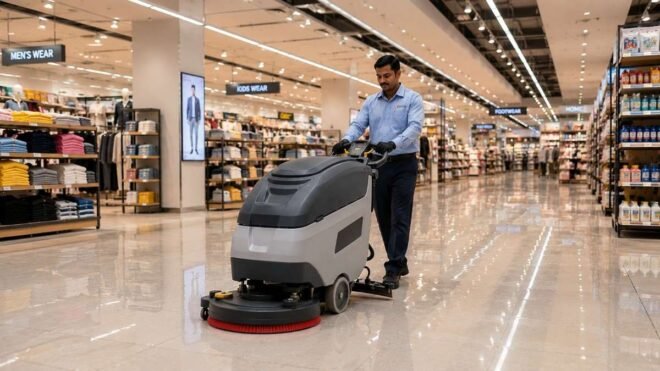
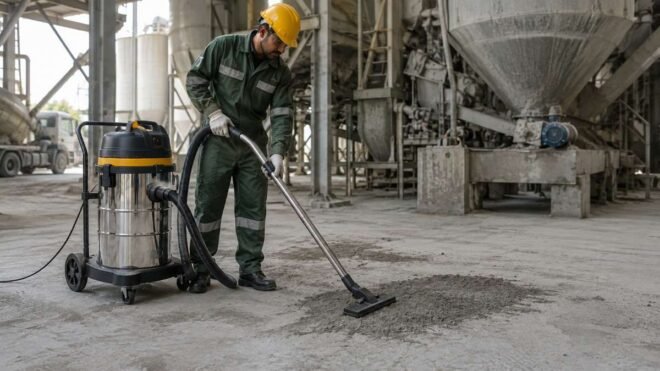
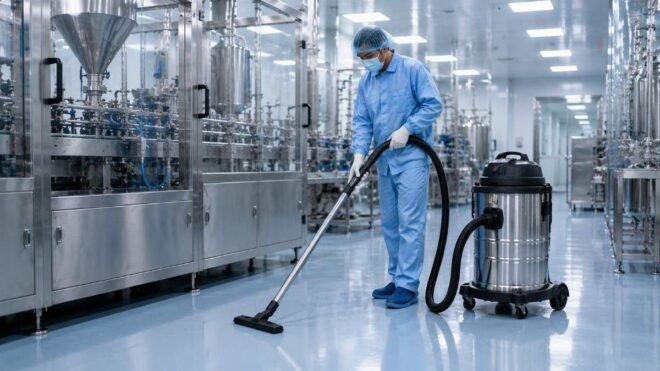
Every facility has unique cleaning needs. A machine that works perfectly in a shopping mall may not be suitable for a manufacturing facility or healthcare center.
Many buyers purchase equipment without evaluating:
- Floor type
- Cleaning frequency
- Facility size
- Traffic volume
- Indoor or outdoor usage
- Specific hygiene requirements
For example, a small vacuum cleaner may not be sufficient for cleaning large warehouses, while a heavy-duty floor scrubber may be unnecessary for a small office.
Understanding Your Facility Needs
Before purchasing any equipment, ask:
- What areas need cleaning?
- How often will cleaning occur?
- What type of dirt and debris is present?
- How many operators will use the machine?
- What is the available storage space?
Answering these questions helps identify the most suitable equipment for your business.
3: Overlooking Maintenance and Service Support
Many businesses focus on the machine itself but forget to consider after-sales support.
Even the most advanced cleaning machine requires periodic maintenance. Without proper support, minor issues can become major operational disruptions.
Some common problems include:
- Delayed spare part availability
- Lack of technical assistance
- Expensive repair costs
- Long machine downtime
Reliable service support is often just as important as the machine itself.
The Importance of Trusted Suppliers
Working with experienced cleaning machinery suppliers can make a significant difference. Reputable suppliers provide:
- Technical guidance
- Equipment training
- Spare parts availability
- Preventive maintenance services
- Warranty support
Choosing a supplier with a strong support network ensures smoother operations and reduces unexpected expenses.
4: Choosing Equipment That Is Too Complex
Technology has transformed the cleaning industry. Today’s cleaning equipment does much more than basic cleaning, offering smart controls, automated features, and powerful performance to make cleaning tasks easier and faster.
While these features can be beneficial, overly complicated equipment may create challenges if staff members are not properly trained.
Common issues include:
- Incorrect machine operation
- Increased downtime
- Safety risks
- Reduced productivity
- Faster equipment wear
Focus on Ease of Use
Look for machines that offer:
- User-friendly controls
- Clear operating instructions
- Minimal training requirements
- Easy maintenance procedures
Simple and efficient equipment often delivers better results than complicated machines that employees struggle to operate.
5: Not Considering Future Growth
Many businesses purchase equipment based only on current requirements without considering future expansion.
As companies grow, cleaning demands often increase due to:
- Larger facilities
- Increased foot traffic
- Additional staff
- Higher cleanliness standards
Equipment that meets today’s needs may become inadequate within a few years.
Think Long-Term
When evaluating cleaning equipment, consider:
- Business growth plans
- Facility expansion
- Future cleaning requirements
- Scalability of equipment
Investing in versatile machines can help avoid costly replacements later.
Additional Factors to Consider Before Purchasing
Beyond avoiding common mistakes, businesses should evaluate several important factors before making a final decision.
Productivity
The equipment should help complete cleaning tasks quickly and efficiently.
Energy Efficiency
Energy-efficient machines help lower operational expenses while promoting environmentally responsible cleaning practices.
Operator Comfort
Ergonomic equipment improves user comfort and reduces fatigue during long cleaning shifts.
Safety Features
Look for machines equipped with:
- Emergency stop functions
- Stable designs
- Safety alerts
- Non-slip controls
Availability of Accessories
Compatible accessories can improve cleaning performance and increase machine versatility.
How Cleaning Trolleys Improve Efficiency in Commercial Cleaning Operations
While discussing cleaning equipment investments, it is important to recognize that overall cleaning efficiency extends beyond machines alone. How Cleaning Trolleys Improve Efficiency in Commercial Cleaning Operations is a topic that highlights the value of organized cleaning systems. Cleaning trolleys help staff transport tools, chemicals, waste bags, and supplies efficiently, reducing unnecessary movement and improving productivity. When paired with high-quality cleaning equipment, these solutions create a more streamlined and professional cleaning process.
Signs That You’re Buying the Right Equipment
If your selected equipment meets the following criteria, you’re likely making a smart investment:
- Matches your facility requirements
- Comes from a trusted supplier
- Offers strong warranty support
- Has positive customer feedback
- Is easy to operate
- Provides long-term value
- Supports future business growth
Careful evaluation before purchase can prevent costly mistakes and improve cleaning performance for years to come.
(FAQs)
1. What is commercial cleaning equipment?
Commercial cleaning equipment includes machines and tools used for professional cleaning applications, such as vacuum cleaners, floor scrubbers, pressure washers, sweepers, and cleaning trolleys.
2. How do I choose the right cleaning equipment for my business?
Start by evaluating your facility size, floor type, cleaning frequency, budget, and operational requirements. Consulting an experienced supplier can also help identify the best solution.
3. Why is after-sales service important when purchasing cleaning equipment?
After-sales service ensures access to maintenance support, spare parts, repairs, and technical assistance, helping minimize downtime and extend equipment lifespan.
4. How often should commercial cleaning equipment be maintained?
Maintenance schedules vary depending on equipment type and usage frequency. Most machines benefit from regular inspections, cleaning, and preventive servicing.
5. Are energy-efficient cleaning machines worth the investment?
Yes. Energy-efficient machines reduce operating costs, lower electricity consumption, and often provide better long-term value compared to less efficient alternatives.
Conclusion
Purchasing cleaning equipment is a significant investment that can impact operational efficiency, maintenance costs, and overall cleanliness standards. By avoiding common mistakes such as focusing only on price, ignoring facility requirements, overlooking service support, choosing overly complex machines, and failing to plan for future growth, businesses can make more informed purchasing decisions.
Partnering with experienced providers like SGT Multiclean Equipments helps businesses access reliable equipment, expert guidance, and dependable support. With the right approach and assistance from SGT Multiclean Equipments, organizations can build efficient cleaning operations that deliver long-term value and consistent results. Contact our team today and discover the ideal cleaning solution tailored to your business needs. A smarter cleaning strategy starts with the right equipment.