 ₹ INR
₹ INR
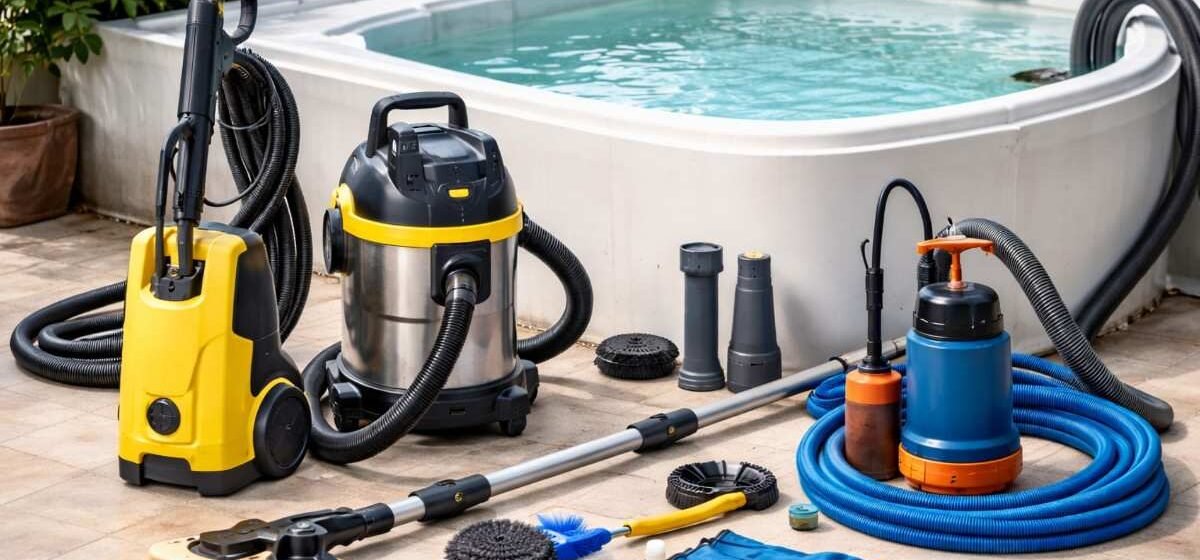
Water tanks store the water we use for drinking, cooking, and cleaning, which makes regular tank cleaning essential. However, many people still depend on manual scrubbing methods that are tiring, ineffective, and time-consuming. Using the right water tank cleaning equipment ensures complete cleaning, safe results, and long-lasting hygiene. With reliable tools and support from SGT Multiclean Equipments, water tank cleaning becomes easier, safer, and far more effective than traditional methods.
Why Water Tank Cleaning Equipments Matter
Water tanks accumulate sludge, sediment, algae, and bacteria over time. Without proper tools, these contaminants cannot be cleaned completely, affecting water quality and health. Using the right Water Tank Cleaning Equipments helps remove dirt thoroughly, reach all corners, and maintain proper hygiene standards.
Best Water Tank Cleaning Equipments for Safe and Deep Cleaning
Cleaning a water tank manually with buckets and brushes is time-consuming and inefficient. Modern cleaning tools make the process cleaner, faster, and more effective.
High-Pressure Water Jets
High-pressure water jets are essential for removing tough dirt, algae buildup, and sludge stuck on tank walls and floors.
Benefits:
- Removes heavy deposits quickly
- Saves time compared to manual scrubbing
- Reaches corners and curves of the tank
- Suitable for cement, plastic, and metal tanks
Why It Matters:
Water jets ensure deeper cleaning by blasting away contaminants without using harsh chemicals.
Tank Cleaning Brushes and Scrubbers
Manual brushes and mechanical scrubbers help remove sticky dirt and deposits from tank surfaces.
Features to Look For:
- Sturdy bristles
- Long handles
- Durable material
- Easy grip
Usage:
These brushes are mainly used after draining the tank to scrub off stains, slime, and growth.
Sludge Removal Pumps
Sludge pumps help remove thick layers of dirt settled at the bottom of the tank.
Why Use Sludge Pumps:
- Manual removal is difficult and unhygienic
- Pumps extract debris quickly
- Ensures clean tank base
- Prevents bacterial growth
Sludge pumps are essential for deep cleaning, especially in older tanks with heavy sediment buildup.
Vacuum Cleaners for Wet Surfaces
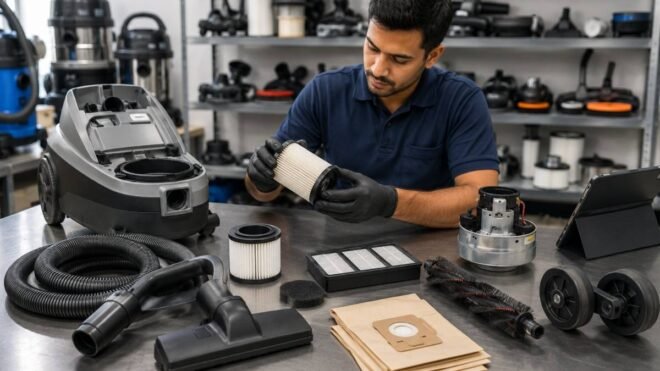
Wet and dry vacuum cleaners are used to remove remaining water, dirt, sand, and residue from the tank floor.
Advantages:
- Speeds up the drying process
- Ensures the tank is free from debris
- Enhances overall cleaning quality
Vacuum cleaners also help during rinsing stages by removing leftover water immediately.
Anti-Bacterial Solutions and Sanitizing Sprayers
After physical cleaning, tanks require sanitization to kill germs and harmful microorganisms.
Sanitizing Tools Include:
- Chemical sprayers
- Fogging machines
- Disinfectant applicators
Why It’s Necessary:
Even after scrubbing, germs may remain in corners. Sanitizing ensures the tank is safe for storing drinking water.
Cleaning Rods and Extension Tools
Water tanks often have deep and hard-to-reach areas. Cleaning rods help professionals reach narrow gaps and walls effectively.
Benefits:
- Suitable for underground tanks
- Helps reach corners
- Improves cleaning precision
Submersible Pumps for Drainage
These pumps remove water from tanks quickly before the cleaning process begins.
Why Use Them:
- Saves time
- Removes water completely
- Helps clean tanks without heavy manual effort
UV Light Sterilization Tools
UV sterilization is an advanced method used to kill bacteria and microbial contaminants.
Why It Is Effective:
- Chemical-free
- Safe for drinking water
- Eliminates harmful germs
UV tools are widely used for hygienic and professional tank cleaning.
Inspection Cameras and LED Lights
These tools help cleaners identify inside conditions clearly.
Uses:
- Detecting cracks
- Spotting dirt patches
- Ensuring no debris is left
Inspection lights make cleaning more accurate and complete.
Safety Tools and Protective Gear
Cleaning water tanks involves climbing, bending, and handling chemicals. Safety gear ensures user protection.
Tools Include:
- Gloves
- Masks
- Helmets
- Boots
Detailed Steps for Safe and Deep Water Tank Cleaning
Step 1: Drain the Tank Completely
Use submersible or drainage pumps to remove water quickly.
Step 2: Scrub Tank Walls and Floor
Use long-handled brushes and scrubbers to remove dirt and algae.
Step 3: Use High-Pressure Jets
Jet spray helps remove stubborn stains and slime.
Step 4: Vacuum the Residue
Wet vacuums remove leftover dirt and excess water.
Step 5: Sanitize the Tank
Use safe disinfectants, sprayers, or UV tools to kill germs.
Step 6: Rinse Thoroughly
Flush tank thoroughly with clean water to remove chemical traces.
Step 7: Inspect and Refill
Check for cracks or leaks, then fill the tank with fresh water.
Signs Your Water Tank Needs Cleaning
- Foul smell
- Discolored or murky water
- Sediment at the bottom
- Slow water flow
- Algae or slime formation
- Increased health problems
These signs mean the tank requires immediate attention.
How Often Should Water Tanks Be Cleaned?
- Homes: Every 3–6 months
- Apartments: Every 3 months
- Commercial buildings: Every month
- Industrial spaces: Monthly or as required
Regular cleaning prevents contamination and improves water quality.
Benefits of Using Modern Water Tank Cleaning Equipments
Better Cleaning Quality
Advanced equipment removes dirt more efficiently than manual methods.
Faster Cleaning
Machines speed up the process significantly.
Safe and Hygienic
Reduces direct human contact with contaminated water.
Long-Term Cost-Effective
Reduces repairs and prevents tank replacement.
Common Mistakes to Avoid in Water Tank Cleaning
Using Excess Chemicals
Strong chemicals may leave harmful residue.
Not Scrubbing Properly
Skipping scrubbing can leave behind algae and slime.
Ignoring Sanitization
Cleaning is incomplete without sanitizing.
Using Low-Quality Tools
Cheap tools break easily and fail to remove tough dirt.
FAQs
1. How often should I clean my water tank?
Cleaning every 3–6 months is ideal for maintaining hygienic water.
2. Can I clean my water tank without equipment?
It is possible but not effective. Proper equipment ensures deeper cleaning and safety.
3. Are high-pressure water jets safe for tank cleaning?
Yes, when used correctly, they safely remove deposits without damaging the tank.
4. What is the safest sanitization method?
UV sterilization and mild, approved disinfectants are the safest options.
5. Do I need a sludge pump for every cleaning?
If your tank accumulates heavy deposits, a sludge pump is highly recommended.
Conclusion
Using the best water tank cleaning equipment ensures deeper cleaning, improved hygiene, and safe water storage for your home or business. High-pressure jets, rotary machines, sludge pumps, and UV sterilizers help achieve professional-level results with less effort. With dependable equipment and solutions from SGT Multiclean Equipments, water tank cleaning becomes safer, faster, and more effective. For product details, guidance, or support, contact now.