 ₹ INR
₹ INR
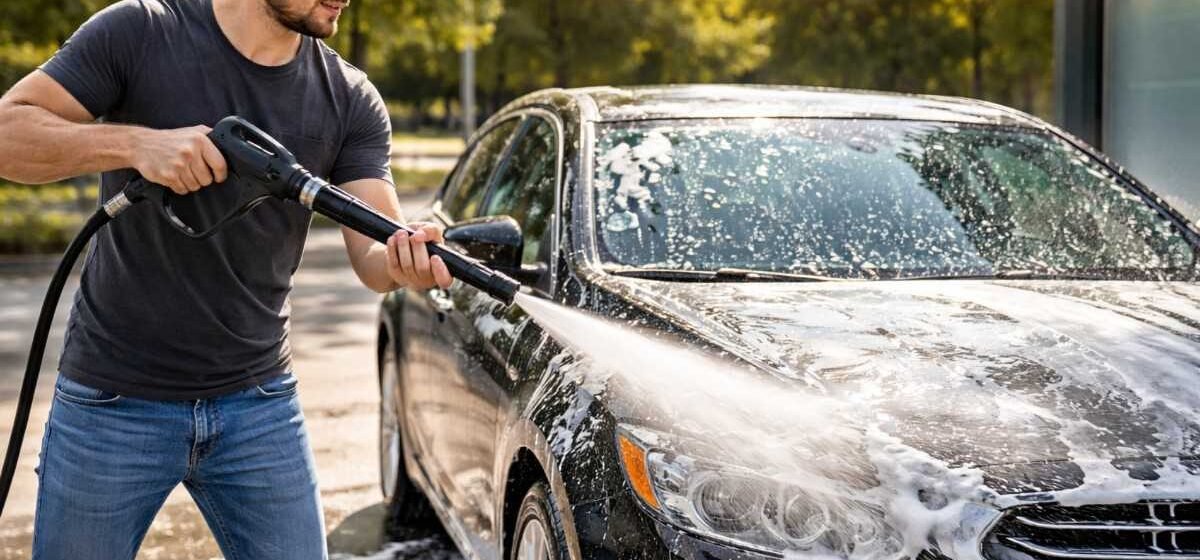
Choosing the right pressure washer is one of the most important decisions for any car wash business. A pressure washer directly affects cleaning quality, service speed, water usage, and even customer satisfaction. With many options available in the market, selecting the right type can feel confusing, especially for new business owners.
Reliable suppliers like SGT Multiclean Equipments help businesses understand the differences between pressure washer types and select machines that match real car wash needs. When chosen correctly, pressure washers from trusted sources such as SGT Multiclean Equipments can improve efficiency, reduce operating costs, and deliver professional cleaning results consistently.
Why Pressure Washers Matter in Car Washing
Pressure washers are the backbone of any car wash operation. They remove dirt, mud, grease, and road grime that regular water flow cannot handle. The right pressure washer cleans faster, uses water efficiently, and reduces physical effort.
A good pressure washer also protects the car’s paint and surface when used correctly. Too little pressure leads to poor cleaning, while excessive pressure can damage paint, trims, and rubber seals. That’s why understanding pressure washer types is essential before making a purchase.
Key Factors to Consider Before Choosing a Pressure Washer
Before diving into different types, it’s important to understand a few basic factors that affect performance:
- Pressure level (measured in PSI)
- Water flow rate (measured in LPM)
- Power source
- Frequency of use
- Type of vehicles handled
These factors help determine which pressure washer suits your car wash business best.
Electric Pressure Washers
Electric pressure washers are commonly used in small to medium car wash setups. They are powered by electricity and are known for being easy to operate and maintain.
Advantages of Electric Pressure Washers
Electric models are quieter compared to fuel-powered machines, making them suitable for residential areas. They are compact, lightweight, and simple to start with the push of a button.
They also require less maintenance because there are fewer moving parts. For businesses with limited space and moderate vehicle flow, electric pressure washers are a practical choice.
Limitations of Electric Pressure Washers
Electric pressure washers generally offer lower pressure and water flow compared to heavy-duty models. They also depend on a stable electricity supply, which may be a limitation in some locations.
These machines are best suited for light to medium cleaning tasks rather than continuous heavy usage.
High-Pressure Cold Water Washers
Cold water pressure washers are widely used in car wash businesses because they effectively remove surface dirt without harming vehicle paint.
Why Cold Water Is Popular
Most car wash tasks do not require heated water. Cold water pressure washers are efficient, economical, and safe for regular washing.
They work well for removing dust, soil, and light grease from vehicle exteriors. These machines are also simpler in design, making them more durable and cost-effective.
Ideal Usage
Cold water pressure washers are ideal for daily car wash operations, especially where speed and consistency are important.
Hot Water Pressure Washers
Hot water pressure washers use heated water to remove stubborn grease, oil, and heavy dirt. These machines are commonly used in industrial cleaning but can also be useful in certain car wash situations.
Benefits of Hot Water Pressure Washers
Hot water breaks down oil and grease faster, reducing cleaning time. It is especially useful for cleaning engines, undercarriages, and commercial vehicles.
Hot water systems also require fewer chemicals, making them effective for deep cleaning tasks.
Drawbacks to Consider
Hot water pressure washers are more expensive and consume more energy. They also require additional maintenance due to heating components.
For regular car washing, hot water may not be necessary unless your business handles heavy-duty vehicles frequently.
Diesel and Petrol Pressure Washers
Fuel-powered pressure washers are designed for high performance and continuous usage. These machines are independent of electricity and offer strong cleaning power.
Advantages of Fuel-Powered Washers
They deliver high pressure and water flow, making them suitable for large car wash facilities. They can operate in outdoor locations where electricity access is limited.
Fuel-powered machines are built for long hours of operation and heavy workloads.
Things to Keep in Mind
These machines are noisier and require more maintenance. Fuel costs and emissions are also factors to consider, especially in urban environments.
They are best suited for large-scale commercial car wash operations.
Portable vs Fixed Pressure Washers
Another important decision is whether to choose a portable or fixed installation pressure washer.
Portable Pressure Washers
Portable machines offer flexibility and can be moved easily within the workspace. They are ideal for mobile car wash services and smaller facilities.
Fixed Installation Systems
Fixed systems are designed for high-volume operations. They are mounted permanently and connected to water and power lines, offering consistent performance and efficiency.
The choice depends on your business scale and service model.
Pressure Levels Ideal for Car Washing
Using the right pressure level is crucial to avoid damage while ensuring proper cleaning.
- Small cars and bikes require lower pressure
- SUVs and commercial vehicles need higher pressure
- Adjustable pressure systems offer better control
Machines with adjustable pressure settings provide flexibility for handling different vehicle types safely.
Water Flow Rate and Its Importance
While pressure gets most of the attention, water flow rate is equally important. Higher flow rates help rinse dirt faster and reduce cleaning time.
A balanced combination of pressure and flow rate ensures effective cleaning without excessive water usage.
Choosing a pressure washer with optimized flow saves water and improves productivity.
Energy Efficiency and Cost Savings
Energy-efficient pressure washers reduce electricity or fuel consumption. Machines with automatic shut-off and optimized motors help lower operating costs.
Though energy-efficient models may cost more initially, they offer long-term savings and better sustainability.
This is especially important for businesses aiming to reduce monthly expenses.
Durability and Build Quality
Pressure washers used in car wash businesses operate daily under tough conditions. Strong build quality ensures longer lifespan and fewer breakdowns.
Machines made with corrosion-resistant materials perform better in wet environments. Durable equipment reduces downtime and maintenance expenses.
Investing in quality builds long-term reliability.
Safety Features You Should Look For
Safety features protect both operators and vehicles. Pressure washers should include:
- Pressure relief valves
- Thermal protection
- Insulated electrical components
- Secure hose connections
Safety-focused machines reduce the risk of accidents and equipment damage.
Matching Pressure Washer to Business Size
Small car wash setups benefit from electric or cold water pressure washers. Medium-sized businesses can use a combination of electric and fuel-powered machines.
Large commercial car washes often need heavy-duty pressure washers capable of running continuously.
Choosing equipment that matches business size avoids unnecessary costs and inefficiencies.
Maintenance and Service Support
Regular maintenance keeps pressure washers running efficiently. Machines that are easy to service reduce downtime.
Availability of spare parts and technical support ensures smooth operations. Reliable service support is essential for long-term business success.
Planning maintenance from the beginning helps avoid unexpected issues.
FAQs
1. What type of pressure washer is best for regular car washing?
Cold water electric pressure washers are ideal for regular car washing as they are safe, efficient, and cost-effective.
2. Is hot water necessary for car wash pressure washers?
Hot water is not required for standard car washing but is useful for removing heavy grease and oil.
3. Can high pressure damage car paint?
Yes, excessive pressure can damage paint and trims. Adjustable pressure settings help prevent damage.
4. Which pressure washer is suitable for high-volume car washes?
Fuel-powered or fixed-installation pressure washers are better for high-volume operations.
5. How often should pressure washers be serviced?
Regular servicing every few months helps maintain performance and prevents unexpected breakdowns.
Conclusion
Selecting the best pressure washer for a car wash business depends on multiple factors, including business size, vehicle volume, water availability, and budget. Understanding the differences between electric, cold water, hot water, and fuel-powered pressure washers helps business owners make informed decisions.
With professional guidance and dependable high pressure car wash machine solutions from SGT Multiclean Equipments, businesses can select pressure washers that deliver consistent performance and long-term value. Invest wisely with solutions backed by SGT Multiclean Equipments to ensure efficient operations, satisfied customers, and steady business growth, contact now to get started.