 ₹ INR
₹ INR
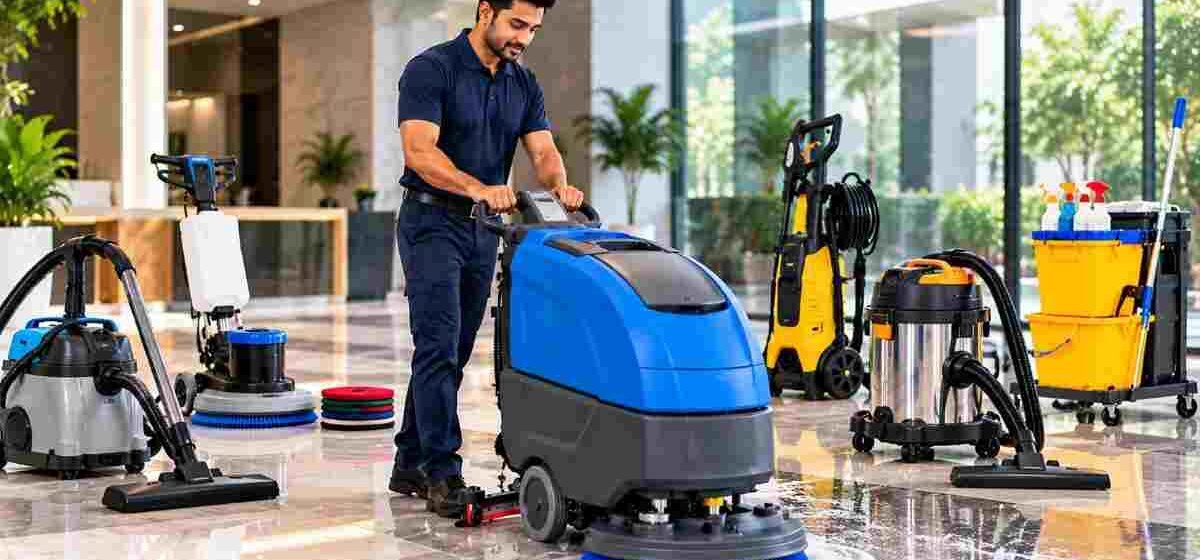
Choosing the right vacuum cleaner can make regular home cleaning faster, easier, and more effective. With many models available, it can be difficult to decide which one is suitable for your needs. When searching for the best vacuum cleaner for home, you should look beyond the price and consider factors such as suction power, dust capacity, filtration, attachments, noise levels, maintenance, and overall usability.
Different homes have different cleaning requirements. A small apartment may need a compact vacuum cleaner, while a larger home with carpets, pets, or multiple rooms may benefit from a more powerful model. SGT Multiclean Equipments offers cleaning equipment options that can be considered when comparing vacuum cleaners and understanding the features that suit different cleaning applications.
Why Is Choosing the Right Vacuum Cleaner Important?
A vacuum cleaner is designed to remove dust, dirt, hair, crumbs, and other particles from different surfaces. However, not every machine performs equally well on every type of floor or cleaning task.
Choosing the right equipment can help you:
- Clean floors more efficiently
- Remove dust from carpets and upholstery
- Reduce manual cleaning effort
- Reach difficult areas more easily
- Maintain better indoor cleanliness
- Save time during regular cleaning
Before buying, it is important to understand your home’s size, flooring type, cleaning frequency, and specific requirements.
Key Factors to Consider When Choosing a Vacuum Cleaner
1. Suction Power
Suction power is one of the most important factors to consider. A vacuum cleaner with suitable suction can effectively collect dust, dirt, hair, and other debris from different surfaces.
However, higher suction power does not automatically mean that a vacuum cleaner is the best choice. The overall cleaning performance also depends on the brush design, airflow, filtration system, and floor type.
If your home has carpets or areas that collect more dirt, look for a model designed to provide consistent cleaning performance.
2. Dust Capacity
Dust capacity determines how much dirt and debris the vacuum cleaner can collect before the container or bag needs to be emptied.
A smaller dust container may be suitable for compact homes or occasional cleaning. For larger homes or frequent cleaning, a larger capacity can reduce the need to empty the machine repeatedly.
When comparing models, consider the size of your home and how frequently you plan to use the vacuum cleaner.
3. Filtration System
A good filtration system helps capture fine dust and particles instead of allowing them to circulate back into the room.
Different vacuum cleaners use different types of filters. Some models feature advanced filtration systems designed to capture smaller particles.
When choosing a home vacuum cleaner, check the type of filter used and whether it can be cleaned, replaced, or maintained easily.
Consider the Type of Vacuum Cleaner
Vacuum cleaners are available in different designs, and each type has its own advantages.
Upright Vacuum Cleaners
Upright models are commonly designed for floor and carpet cleaning. They can provide strong cleaning performance and may be suitable for larger floor areas.
Canister Vacuum Cleaners
Canister vacuum cleaners have a separate main unit connected to a cleaning hose. Their design can make them useful for cleaning floors, furniture, stairs, and difficult-to-reach areas.
Stick Vacuum Cleaners
Stick models are generally lightweight and easy to handle. They can be convenient for quick daily cleaning, especially in smaller homes.
Wet and Dry Vacuum Cleaners
Wet and dry vacuum cleaners are designed to handle both dry debris and certain liquid spills, depending on the model. They can be useful when more versatile cleaning is required.
SGT Multiclean Equipments can be considered when comparing different vacuum cleaner types and identifying equipment based on your specific cleaning requirements.
Check the Attachments and Accessories
Attachments can significantly affect how useful a vacuum cleaner is around the home.
Common accessories include:
- Floor cleaning brushes
- Crevice tools
- Upholstery brushes
- Dusting brushes
- Extension tubes
- Flexible hoses
- Carpet brushes
A crevice tool, for example, can help clean narrow spaces around furniture, while an upholstery attachment can be useful for sofas and chairs.
Instead of choosing a model based only on the number of accessories, check whether the included attachments are actually useful for your cleaning needs.
Consider Noise Levels
Noise can be an important consideration, particularly if you live in an apartment or regularly clean when other family members are working or sleeping.
Some vacuum cleaners are designed with features that help reduce operating noise. Check the manufacturer’s specifications for information about noise levels before purchasing.
A quieter machine can make cleaning more comfortable, especially when the vacuum cleaner is used frequently.
Look at Ease of Use
A vacuum cleaner should be easy to move, operate, empty, and maintain.
Before buying, consider:
- Machine weight
- Handle design
- Wheel movement
- Cord length
- Hose flexibility
- Storage requirements
- Control placement
- Dust container removal
For larger homes, a longer cord or flexible hose can reduce the need to repeatedly change power outlets. Lightweight models may be easier to carry between floors.
Check Maintenance Requirements
Regular maintenance can help maintain the vacuum cleaner’s performance over time.
Depending on the model, maintenance may include:
Cleaning the Filters
Dust and particles can accumulate on filters and affect airflow. Clean or replace filters according to the manufacturer’s recommendations.
Emptying the Dust Container
Do not allow the dust container to become excessively full. Emptying it regularly can help maintain effective airflow.
Checking Brushes and Hoses
Hair, threads, and debris can become trapped in brushes and hoses. Inspect these components regularly and remove blockages when necessary.
Replacing Consumable Parts
Some machines may require replacement filters, bags, brushes, or other components. Check the availability and cost of replacement parts before buying.
Match the Vacuum Cleaner to Your Floor Type
Your flooring is another important factor when choosing a vacuum cleaner.
Hard Floors
For tile, marble, wood, or other hard surfaces, choose a machine with suitable floor attachments that can collect dust without unnecessarily scratching the surface.
Carpets
Carpets can hold dust, hair, and small particles. A vacuum cleaner with suitable suction and a dedicated carpet brush can provide better cleaning results.
Mixed Flooring
If your home has both hard floors and carpets, choose a versatile model with different attachments or floor settings.
Understanding your floor type can help you avoid purchasing equipment that is unsuitable for your home.
Consider Your Home Size and Cleaning Frequency
The ideal vacuum cleaner for a small apartment may not be the same as the right option for a large house.
For a smaller home, you may prefer:
- Compact design
- Lightweight construction
- Easy storage
- Simple operation
For a larger home, you may benefit from:
- Larger dust capacity
- Longer operating range
- Strong and consistent performance
- Multiple attachments
- Comfortable handling
If you clean every day, durability and ease of maintenance become more important than they might be for occasional use.
Compare Price With Overall Value
Price is an important part of the buying decision, but it should not be the only factor.
When comparing the vacuum floor cleaner , consider the complete value of the machine. A lower-priced model may have fewer accessories, a smaller capacity, or higher maintenance requirements. A more expensive model may offer features that you do not actually need.
Compare:
- Initial purchase price
- Features
- Cleaning performance
- Accessories
- Maintenance requirements
- Replacement parts
- Warranty
- After-sales service
This approach can help you select equipment that fits both your requirements and budget.
Why Choose a Reliable Supplier?
Buying from a reliable supplier can make it easier to get product information, replacement parts, and service support when required.
Before purchasing, check whether the supplier provides clear specifications and information about warranty and maintenance. You can also ask questions about the machine’s suitability for your particular cleaning requirements.
SGT Multiclean Equipments can be included in your comparison when evaluating vacuum cleaners and other cleaning equipment based on performance, application, and maintenance requirements.
Common Mistakes to Avoid When Buying a Vacuum Cleaner
Some common mistakes can lead to choosing equipment that does not meet your expectations.
Choosing Only Based on Price
The cheapest model may not always provide the required performance or durability.
Ignoring Floor Type
A machine suitable for hard floors may not provide the same results on thick carpets.
Not Checking Dust Capacity
A small dust container can become inconvenient if you need to clean a large home frequently.
Overlooking Maintenance
Always check how filters, bags, brushes, and other components need to be maintained or replaced.
Buying More Power Than Necessary
Extremely powerful equipment may not always be required for normal household cleaning. Focus on the specifications that match your actual needs.
Frequently Asked Questions
1. What is the most important factor when choosing a vacuum cleaner?
Suction power is important, but it should be considered together with filtration, brush design, dust capacity, floor type, and overall cleaning performance.
2. Is a higher suction power always better?
Not necessarily. The ideal suction power depends on the type of floor, cleaning requirements, and design of the vacuum cleaner. A balanced combination of suction and airflow is important.
3. What dust capacity should a home vacuum cleaner have?
It depends on the size of your home and how frequently you clean. Smaller capacities may be suitable for compact homes, while larger capacities can be more convenient for larger households.
4. Are attachments important when buying a vacuum cleaner?
Yes. Different attachments can help clean floors, carpets, furniture, corners, stairs, and narrow spaces. Choose accessories that match your actual cleaning needs.
5. How often should a vacuum cleaner be maintained?
Maintenance frequency depends on the model and usage. Filters, dust containers, brushes, and hoses should be checked and cleaned regularly according to the manufacturer’s instructions.
Conclusion
Choosing the best vacuum cleaner for home requires consideration of several factors rather than focusing on one specification. Suction power, dust capacity, filtration, attachments, noise levels, floor type, maintenance, and ease of use can all influence your decision.
The right vacuum cleaner should match the size of your home, type of flooring, cleaning frequency, and specific cleaning requirements. Comparing features and long-term value can help you avoid unnecessary expenses and choose equipment that is practical for everyday use.
Before purchasing, compare different vacuum cleaner suppliers and check product specifications, warranty, maintenance requirements, and service support. SGT Multiclean Equipments can be considered alongside other suppliers when evaluating suitable cleaning equipment for different applications.