 ₹ INR
₹ INR
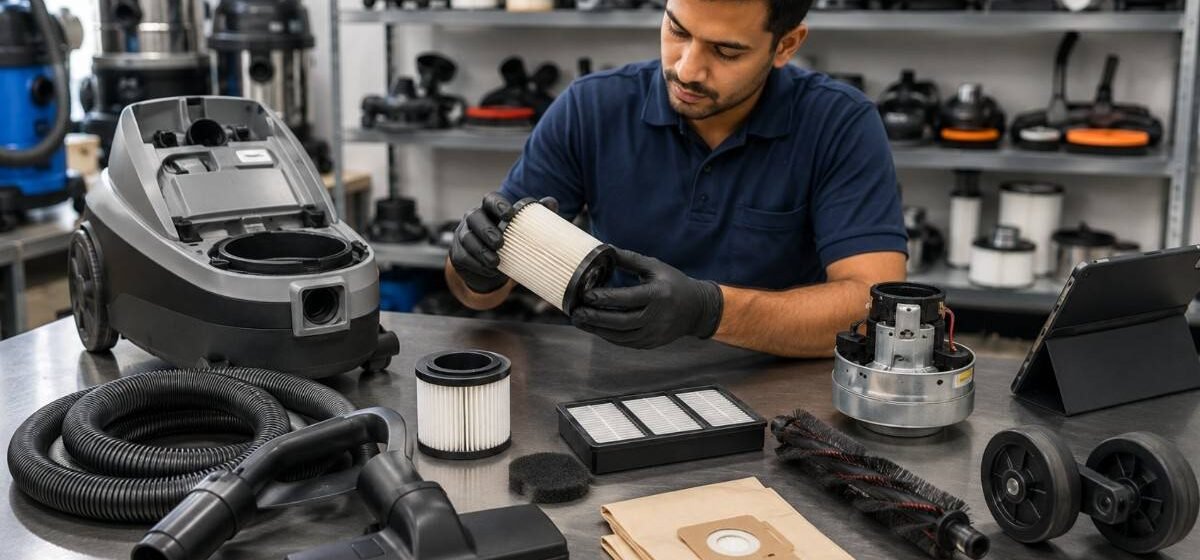
A vacuum cleaner is one of the most important cleaning tools used in homes, offices, hotels, hospitals, and industrial facilities. It helps remove dust, dirt, allergens, and debris efficiently, making cleaning faster and more effective. However, even the best vacuum cleaners require regular maintenance and replacement components to continue performing at their best. Choosing the right Vacuum Spare Parts plays a major role in extending the life of your machine and maintaining its cleaning efficiency.
Whether you own a commercial vacuum cleaner or use one at home, investing in quality replacement parts can save money and prevent unexpected breakdowns. At SGT Multiclean Equipments, customers can find a wide range of vacuum cleaning solutions and spare parts designed for reliable performance. SGT Multiclean Equipments understands the importance of selecting the correct components that match your equipment and cleaning requirements.
In this guide, we will discuss how to choose the right vacuum spare parts, why quality matters, and how proper maintenance can improve the lifespan of your vacuum cleaner.
Why Vacuum Spare Parts Matter
Many people focus on purchasing a high-quality vacuum cleaner but often overlook the importance of replacement parts. Every component inside a vacuum cleaner experiences wear and tear over time. Filters become clogged, hoses develop cracks, brushes wear down, and motors may lose efficiency.
Replacing damaged or worn-out parts at the right time offers several benefits:
- Maintains strong suction power
- Improves cleaning efficiency
- Reduces repair costs
- Prevents machine breakdowns
- Extends equipment lifespan
- Enhances indoor air quality
Ignoring faulty parts can cause additional damage to other components, leading to expensive repairs or complete replacement of the machine.
Common Vacuum Spare Parts That Need Replacement
Understanding the different spare parts available can help you make better purchasing decisions.
1. Vacuum Filters
Filters trap dust, allergens, and fine particles before air is released back into the environment. As filters collect dust and debris over time, their ability to perform efficiently gradually decreases.
Common types include:
- HEPA Filters
- Foam Filters
- Cartridge Filters
- Cloth Filters
Replacing filters regularly helps maintain suction power and improves air quality.
2. Vacuum Cleaner Bags
For bagged vacuum cleaners, the collection bag is one of the most frequently replaced components.
Signs you need a replacement:
- Reduced suction
- Overfilled bag
- Dust leakage
- Unpleasant odors
Using the correct bag size and type is essential for optimal performance.
3. Vacuum Hoses
Hoses transport dirt from the cleaning surface to the collection chamber. Cracks, holes, or blockages can significantly reduce suction efficiency.
Check hoses regularly for:
- Splits
- Tears
- Blockages
- Loose fittings
4. Brush Rolls and Beaters
Brush rolls loosen dirt and debris from carpets and floors.
Common signs of wear include:
- Missing bristles
- Reduced cleaning effectiveness
- Strange noises
- Uneven rotation
Replacing worn brushes helps restore cleaning performance.
5. Vacuum Motors
The motor is the main component that powers the vacuum cleaner and ensures efficient operation While motors typically last several years, heavy usage may require replacement.
Symptoms of motor issues include:
- Burning smell
- Excessive noise
- Weak suction
- Frequent overheating
Always choose manufacturer-compatible motors for reliable operation.
6. Wheels and Casters
For commercial and industrial vacuum cleaners, wheels play an important role in mobility.
Damaged wheels can:
- Affect movement
- Cause instability
- Increase user effort
Replacing worn wheels improves usability and safety.
How to Choose the Right Vacuum Spare Parts
Selecting the correct spare parts requires more than simply matching the shape or size.
Know Your Vacuum Model
The first step is identifying your vacuum cleaner’s model number.
Check:
- Product label
- User manual
- Manufacturer documentation
Using the exact model number helps ensure compatibility.
Choose Genuine or High-Quality Parts
While low-cost alternatives may seem attractive, they often wear out quickly and may not provide proper performance.
Benefits of quality spare parts include:
- Better durability
- Improved performance
- Enhanced safety
- Longer service life
- Better value for money
Always purchase from trusted suppliers who offer quality assurance.
Consider Usage Requirements
Different environments place different demands on vacuum cleaners.
For example:
- Homes require basic replacement parts.
- Offices require moderate-duty components.
- Factories need heavy-duty industrial parts.
- Hotels require durable, high-performance accessories.
Choose spare parts designed for your usage conditions.
Check Material Quality
The quality of materials directly affects longevity.
Look for:
- Durable plastics
- Reinforced hoses
- High-grade filters
- Industrial-grade rubber components
Premium materials can withstand daily wear and tear more effectively.
Verify Manufacturer Specifications
Every vacuum cleaner is designed with specific technical requirements.
Before purchasing:
- Check dimensions
- Confirm compatibility
- Verify voltage ratings for motors
- Match filter specifications
Following manufacturer recommendations helps avoid performance issues.
Signs That Indicate It’s Time to Replace Spare Parts
Many users continue using damaged components without realizing the negative impact on performance.
Watch for these warning signs:
Reduced Suction Power
One of the most common indicators of worn filters, blocked hoses, or damaged seals.
Unusual Noise
Grinding, rattling, or whistling sounds often suggest mechanical wear.
Poor Dust Collection
If dust remains on surfaces after cleaning, certain components may require replacement.
Overheating
Frequent overheating may indicate blocked airflow or motor-related issues.
Increased Energy Consumption
An inefficient vacuum cleaner often consumes more electricity while delivering lower performance.
The Importance of Regular Maintenance
Selecting the right spare parts is just one step in maintaining your vacuum cleaner’s performance. Proper maintenance helps maximize their lifespan.
Maintenance tips include:
- Clean filters regularly
- Empty dust containers frequently
- Remove debris from brushes
- Inspect hoses for blockages
- Store equipment properly
- Schedule preventive servicing
Routine maintenance can significantly reduce repair costs and improve machine efficiency.
Where to Buy Quality Vacuum Cleaner Parts
Today, many businesses and homeowners prefer purchasing vacuum cleaner parts online because of convenience and wider product availability.
When shopping online:
- Choose reputable suppliers
- Read product specifications carefully
- Check compatibility information
- Look for warranty options
- Compare customer reviews
Buying from trusted suppliers helps ensure you receive genuine and durable products.
Benefits of Using a Vacuum Cleaner for a Healthier Home
Apart from maintaining cleanliness, vacuum cleaners contribute to a healthier living environment. The topic Benefits of Using a Vacuum Cleaner for a Healthier Home highlights how effective vacuum cleaning removes allergens, dust mites, pet dander, and airborne particles that can affect indoor air quality. Using properly maintained vacuum cleaners with high-quality filters can help create a cleaner and more comfortable space for families and employees alike.
Mistakes to Avoid When Purchasing Vacuum Spare Parts
Many buyers make avoidable mistakes that lead to wasted money and poor performance.
Buying Based on Price Alone
Cheap parts may fail quickly and cause additional damage.
Ignoring Compatibility
Always verify model numbers before purchasing.
Delaying Replacement
Waiting too long can increase wear on other components.
Choosing Unverified Sellers
Purchase only from reliable suppliers with proven quality standards.
Overlooking Warranty Coverage
A warranty provides peace of mind and product assurance.
How Quality Spare Parts Improve Long-Term Savings
Some buyers hesitate to invest in premium replacement parts because of the initial cost.
However, quality spare parts offer:
- Fewer replacements
- Lower maintenance expenses
- Better machine efficiency
- Reduced downtime
- Longer equipment lifespan
In the long run, these advantages can lead to significant cost savings and better overall value.
FAQs
1. How often should vacuum filters be replaced?
The replacement frequency depends on usage. Most filters should be checked every few months and replaced according to manufacturer recommendations.
2. Can I use generic vacuum spare parts?
While some generic parts may fit, genuine or high-quality compatible parts usually provide better performance and durability.
3. What are the most commonly replaced vacuum parts?
Filters, vacuum bags, hoses, brush rolls, belts, and wheels are among the most commonly replaced components.
4. How can I identify the correct spare part for my vacuum cleaner?
Check your vacuum cleaner’s model number and refer to the manufacturer’s specifications before purchasing replacement parts.
5. Is buying vacuum cleaner parts online safe?
Yes, provided you purchase from reputable suppliers who provide accurate product descriptions, compatibility information, and warranty support.
Conclusion
Choosing the right vacuum spare parts is essential for maintaining performance, improving efficiency, and extending the life of your cleaning equipment. By understanding your machine’s requirements, selecting high-quality components, and following regular maintenance practices, you can avoid costly breakdowns and enjoy reliable cleaning results for years.
For businesses and individuals looking for dependable cleaning equipment solutions, SGT Multiclean Equipments offers a wide range of quality vacuum spare parts and accessories. With the right products and support from SGT Multiclean Equipments, you can keep your vacuum cleaner operating at peak performance while maximizing your investment. Upgrade Your Vacuum Performance Today.