 ₹ INR
₹ INR
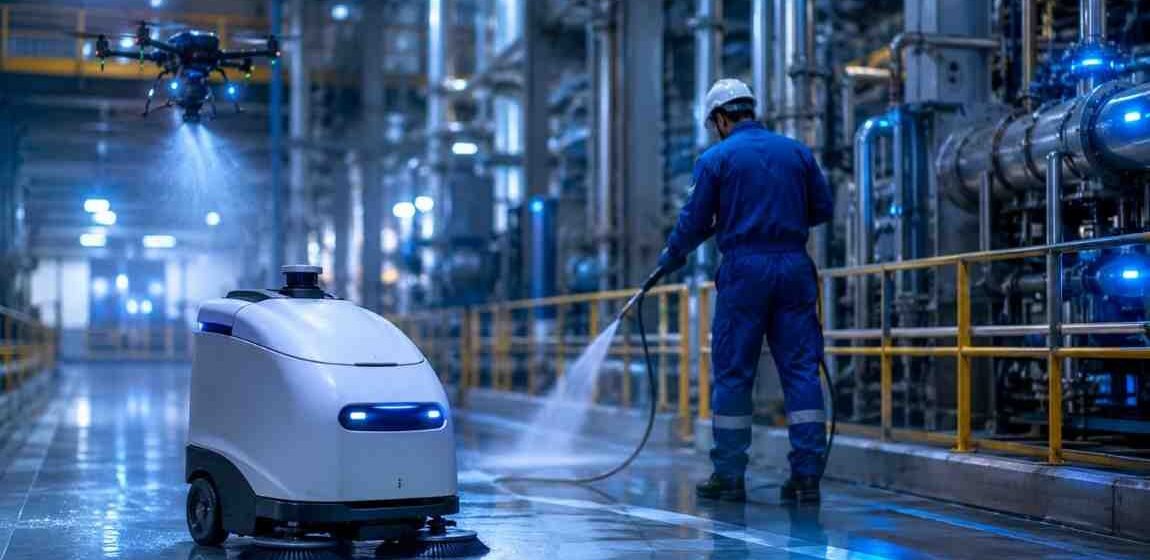
Industrial cleaning has changed a lot over the last few years. Earlier, companies depended mostly on manual labor, traditional tools, and basic cleaning methods. Today, modern technology is helping industries clean faster, safer, and more efficiently. Artificial Intelligence (AI) and automation are now becoming important parts of industrial cleaning systems across factories, warehouses, hospitals, shopping malls, and commercial buildings. Businesses are now looking for smarter cleaning solutions that save time, reduce costs, and improve hygiene standards.
Companies like SGT Multiclean Equipments are seeing a growing demand for advanced cleaning solutions because industries want better productivity and improved cleaning quality. Modern cleaning technology also helps businesses reduce water usage, avoid unnecessary labor costs, and maintain cleaner workspaces with less effort. Many industries are now investing in the best floor cleaning machines to improve daily maintenance and increase operational efficiency.
What Is AI in Industrial Cleaning?
Artificial Intelligence, commonly called AI, refers to machines or systems that can perform tasks intelligently by analyzing data and making decisions. In industrial cleaning, AI helps machines understand cleaning requirements, detect dirt, monitor performance, and improve cleaning operations automatically.
AI-powered cleaning systems can:
- Detect dirty areas automatically
- Monitor cleaning performance
- Track machine maintenance needs
- Optimize water and chemical usage
- Reduce human errors
- Improve workplace hygiene
These smart technologies are helping industries maintain high cleaning standards while reducing manual effort.
Understanding Automation in Cleaning
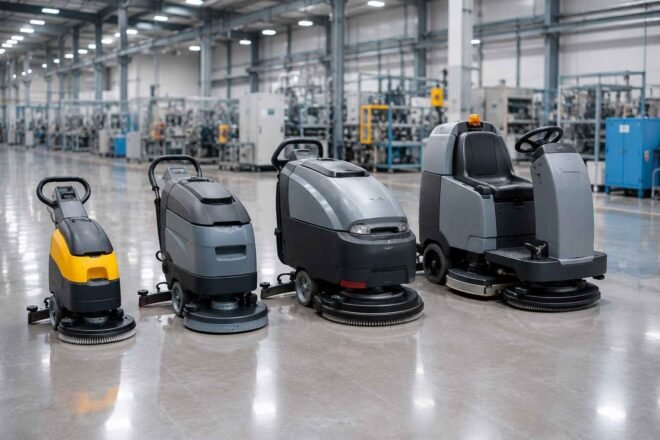
Automation means using machines and systems that can perform tasks with minimal human involvement. In industrial cleaning, automation includes robotic cleaning machines, automatic scrubbers, sensor-based cleaning systems, and smart vacuum cleaners.
Automated cleaning equipment is becoming popular because it:
- Saves labor costs
- Improves cleaning speed
- Reduces physical strain on workers
- Provides consistent cleaning quality
- Works efficiently in large spaces
Factories, airports, malls, hospitals, and manufacturing units are now using automated cleaning systems to manage large cleaning tasks more effectively.
Rise of Smart Cleaning Machines
One of the biggest changes in the cleaning industry is the development of smart cleaning machines. These machines are equipped with sensors, cameras, and intelligent software that help them clean more accurately.
Some advanced machines can:
- Detect obstacles automatically
- Navigate around furniture or machinery
- Monitor battery levels
- Send maintenance alerts
- Create cleaning reports
These features help businesses improve cleaning performance without depending completely on manual supervision.
How AI Improves Cleaning Efficiency
AI technology helps cleaning operations become faster and more accurate. Traditional cleaning methods often waste water, chemicals, and labor time. AI-based systems analyze cleaning patterns and optimize operations.
For example:
- Smart floor scrubbers adjust water flow depending on floor conditions
- AI vacuum cleaners identify high-dust areas
- Automated machines avoid repeated cleaning of the same area
- Sensors monitor cleanliness levels in real time
This improves productivity while reducing operational costs.
Better Hygiene Standards With Automation
Cleanliness is extremely important in industries like healthcare, food processing, hospitality, and pharmaceuticals. AI and automation help maintain higher hygiene standards by reducing human errors.
Automated cleaning systems ensure:
- Consistent cleaning performance
- Better surface sanitization
- Reduced contamination risks
- Faster cleaning cycles
- Improved safety standards
Hospitals and healthcare facilities especially benefit from robotic cleaning machines because they help reduce the spread of infections.
Robotic Floor Cleaning Machines
Robotic floor cleaning machines are becoming common in large commercial spaces. These machines can clean floors automatically using advanced navigation systems.
Key benefits include:
- Continuous cleaning operations
- Less dependency on manpower
- Better cleaning coverage
- Improved productivity
- Reduced downtime
Many modern robotic cleaners can work during both day and night without constant monitoring.
AI-Based Predictive Maintenance
One major advantage of AI is predictive maintenance. Traditional machines may suddenly stop working due to mechanical problems. AI systems can detect early warning signs before breakdowns happen.
Predictive maintenance helps by:
- Monitoring machine performance
- Identifying wear and tear
- Reducing repair costs
- Avoiding unexpected downtime
- Increasing machine lifespan
This allows industries to maintain smooth operations without interruptions.
Reduced Labor Dependency
Labor shortages are becoming a challenge in many industries. Automated cleaning equipment helps businesses reduce dependency on large cleaning teams.
Instead of assigning many workers for repetitive cleaning tasks, industries can use:
- Automatic scrubbers
- Robotic sweepers
- Smart vacuum cleaners
- Sensor-based cleaning systems
Workers can then focus on more important operational activities.
Water and Chemical Savings
Industrial cleaning often requires large amounts of water and cleaning chemicals. AI-powered systems help reduce waste by controlling usage more efficiently.
Smart cleaning systems can:
- Use only required water levels
- Reduce unnecessary chemical usage
- Improve environmental sustainability
- Lower operating costs
This is especially important for industries trying to follow eco-friendly cleaning practices.
Role of Sensors in Modern Cleaning
Sensors are an important part of AI-based cleaning systems. They help machines understand surroundings and improve performance.
Different types of sensors include:
- Dirt detection sensors
- Motion sensors
- Obstacle sensors
- Water level sensors
- Battery monitoring sensors
These technologies allow machines to operate safely and efficiently in busy industrial environments.
Cleaning Data and Reporting
Modern automated machines can collect cleaning data and generate reports. Managers can monitor:
- Cleaning schedules
- Machine usage
- Battery performance
- Water consumption
- Maintenance requirements
This improves operational control and helps businesses maintain better cleaning standards.
Applications of AI Cleaning Systems
AI-powered cleaning systems are used in many industries today.
Manufacturing Industries
Factories use automated scrubbers and industrial vacuum cleaners to maintain dust-free environments.
Hospitals
Healthcare facilities use robotic cleaning machines for infection control and sanitization.
Shopping Malls
Large malls use automatic floor cleaners to maintain clean public spaces throughout the day.
Warehouses
Warehouses use smart sweepers and vacuum systems for dust management.
Hotels and Commercial Buildings
Hotels rely on advanced house keeping equipment for efficient daily maintenance and guest satisfaction.
Employee Safety Improvements
Industrial cleaning sometimes involves dangerous environments, chemicals, and heavy machinery. Automation helps reduce risks for workers.
Automated systems help by:
- Reducing direct exposure to chemicals
- Minimizing physical strain
- Handling repetitive tasks safely
- Cleaning hazardous areas more efficiently
This improves workplace safety and employee well-being.
Faster Cleaning Operations
AI and automation significantly reduce cleaning time. Machines can clean large areas much faster than manual methods.
Benefits include:
- Increased operational efficiency
- Reduced downtime
- Faster cleaning schedules
- Improved business productivity
This is especially useful for industries operating 24/7.
Smart Vacuum Cleaning Technology
Advanced industrial vacuum cleaners now use AI-based technology for better dust control and performance monitoring.
Features include:
- Automatic suction adjustment
- Smart filtration systems
- Dust level monitoring
- Reduced energy consumption
These technologies improve air quality and workplace cleanliness.
Eco-Friendly Industrial Cleaning
Sustainability is becoming important for businesses worldwide. AI and automation support eco-friendly cleaning practices by reducing waste and improving energy efficiency.
Green cleaning benefits include:
- Lower water consumption
- Reduced chemical usage
- Energy-efficient machines
- Better waste management
Many industries now prefer sustainable cleaning solutions to meet environmental goals.
Challenges of AI and Automation
Although AI and automation provide many benefits, there are also some challenges.
High Initial Investment
Advanced cleaning machines can be expensive initially.
Training Requirements
Workers need training to operate smart machines effectively.
Maintenance Costs
Automated systems require regular maintenance and software updates.
Technical Dependence
Businesses become dependent on technology and machine performance.
Despite these challenges, the long-term benefits usually outweigh the costs.
Future of Industrial Cleaning
The future of industrial cleaning will become even more technology-driven. AI systems are expected to become smarter, faster, and more efficient.
Future developments may include:
- Fully autonomous cleaning robots
- AI-powered sanitation monitoring
- Voice-controlled cleaning systems
- Advanced cloud-based monitoring
- Smart building cleaning integration
As technology continues to grow, industries will increasingly depend on intelligent cleaning systems.
Growing Demand for Smart Cleaning Solutions
Businesses today are focusing more on hygiene, productivity, and operational efficiency. This is increasing demand for advanced industrial cleaning equipment.
Companies are searching for:
- Reliable automated cleaning systems
- Energy-efficient machines
- Smart floor scrubbers
- Advanced vacuum cleaning solutions
- Long-lasting industrial cleaning equipment
Many industries are also looking for the best cleaning equipment in Bangalore to improve cleaning operations and maintain better workplace hygiene.
FAQs
1. How is AI used in industrial cleaning?
AI is used in industrial cleaning to improve machine efficiency, monitor cleaning performance, detect dirt automatically, and reduce manual effort. Smart cleaning machines can also optimize water and chemical usage.
2. What are the benefits of automated cleaning machines?
Automated cleaning machines help save time, reduce labor costs, improve hygiene standards, and provide consistent cleaning results in factories, hospitals, malls, and commercial spaces.
3. Are robotic floor cleaning machines suitable for large industries?
Yes, robotic floor cleaning machines are ideal for large industries because they can clean wide areas efficiently with minimal human supervision and maintain regular cleaning schedules.
4. How does automation improve workplace safety?
Automation reduces worker exposure to hazardous chemicals, heavy dust, and repetitive physical tasks. It also helps clean dangerous areas safely and efficiently.
5. Why are businesses investing in smart cleaning equipment?
Businesses are investing in smart cleaning equipment to improve productivity, maintain better hygiene, reduce operational costs, and support eco-friendly cleaning practices.
Conclusion
AI and automation are transforming industrial cleaning in many ways. From robotic floor scrubbers to smart vacuum cleaners, modern technology is helping businesses improve cleaning quality, reduce labor dependency, save time, and maintain safer workplaces. Industries are now moving toward intelligent cleaning systems because they offer better performance, efficiency, and long-term cost savings.
SGT Multiclean Equipments continues to support industries with modern cleaning solutions that meet growing industrial demands. As businesses continue adopting advanced technologies, automated cleaning equipment will play an even bigger role in maintaining hygiene and operational efficiency. The future of industrial cleaning will depend heavily on smart machines, data-driven cleaning systems, and automation technologies that improve overall productivity.
Industries looking for reliable and efficient cleaning solutions are increasingly understanding the value of modern technology. SGT Multiclean Equipments helps businesses stay updated with advanced cleaning innovations that improve workplace cleanliness and operational performance.