 ₹ INR
₹ INR
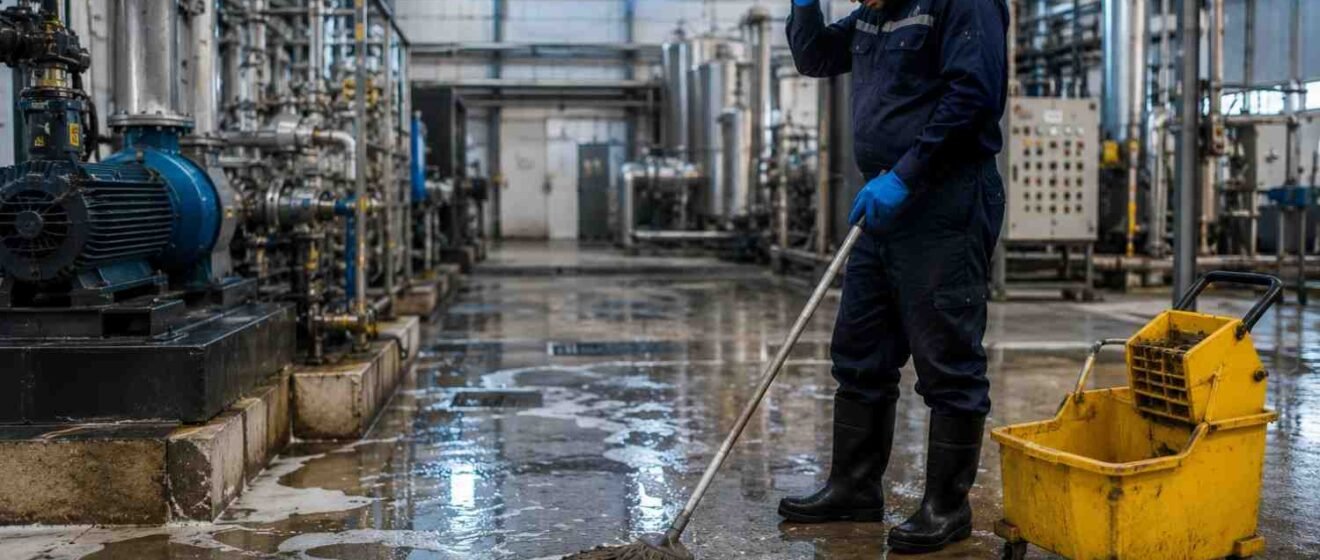
Industrial cleaning is more than just keeping a workplace neat. It plays a major role in employee safety, equipment performance, product quality, and business efficiency. Whether it is a manufacturing unit, warehouse, hospital, food processing plant, automobile workshop, or commercial facility, maintaining a clean environment helps businesses operate smoothly while meeting hygiene and safety standards.
Many industries invest in cleaning equipment but still struggle to achieve consistent results because of poor cleaning practices. Small mistakes that seem harmless can lead to higher maintenance costs, equipment damage, workplace accidents, and reduced productivity. Understanding these common mistakes can help businesses improve their cleaning processes and save both time and money.
SGT Multiclean Equipments has been supporting industries with reliable cleaning solutions designed for different commercial applications. In this guide, we will explore the biggest cleaning mistakes industries still make and explain how they can be avoided with proper planning, quality equipment, and regular maintenance.
Why Industrial Cleaning Matters
A clean workplace creates a safer and healthier environment for employees while protecting valuable machinery and infrastructure. Poor cleaning habits often allow dust, grease, chemicals, and waste materials to build up over time, affecting daily operations and increasing maintenance expenses.
Businesses that follow a structured cleaning schedule and understand the different types of cleaning equipment available can choose the right solution for every application, improving both cleaning quality and operational efficiency.
Mistake 1: Ignoring Regular Cleaning Schedules
One of the biggest mistakes industries make is waiting until equipment or workspaces become visibly dirty before cleaning them.
Without a proper schedule:
- Dirt accumulates faster.
- Machines become harder to clean.
- Maintenance costs increase.
- Productivity decreases.
- Workplace hygiene suffers.
A preventive cleaning schedule keeps facilities clean throughout the year instead of reacting only when problems appear.
Mistake 2: Using the Wrong Cleaning Equipment
Every industry has different cleaning requirements.
Using household cleaning tools in industrial environments often leads to:
- Poor cleaning performance
- Longer cleaning time
- Higher labor costs
- Equipment damage
- Inconsistent results
Industrial cleaning equipment is designed specifically for heavy-duty applications and delivers better performance with less effort.
Mistake 3: Skipping Employee Training
Even the best cleaning machine cannot deliver good results if operators do not know how to use it properly.
Employees should understand:
- Correct machine operation
- Safety procedures
- Proper chemical usage
- Daily maintenance routines
- Storage guidelines
Regular training improves efficiency while reducing equipment damage.
Mistake 4: Delaying Equipment Maintenance
Cleaning equipment requires regular servicing to maintain its performance.
Ignoring maintenance may result in:
- Pressure loss
- Motor failure
- Water leakage
- Increased repair costs
- Unexpected downtime
Simple inspections and preventive servicing can extend equipment life significantly.
Mistake 5: Using Too Much Water
Many industries believe that using more water results in better cleaning.
In reality, excessive water:
- Wastes resources
- Increases utility bills
- Extends drying time
- Creates slippery floors
- Raises maintenance costs
Modern cleaning machines are designed to deliver better results using controlled water flow.
Mistake 6: Choosing Low-Quality Cleaning Equipment
Buying inexpensive equipment may reduce initial costs, but poor-quality machines often require frequent repairs and replacement.
Reliable equipment usually offers:
- Better durability
- Consistent performance
- Lower maintenance costs
- Longer service life
- Improved cleaning efficiency
Quality equipment becomes a better long-term investment.
Mistake 7: Ignoring Hard-to-Reach Areas
Corners, storage spaces, ventilation areas, machinery bases, and overhead structures often collect dust and debris.
When these areas are ignored:
- Dirt accumulates
- Bacteria grow
- Fire risks increase
- Air quality decreases
Every cleaning plan should include these overlooked locations.
Mistake 8: Using Incorrect Cleaning Chemicals
Cleaning chemicals should always match the surface being cleaned.
Using the wrong product may:
- Damage equipment
- Corrode metal surfaces
- Leave unwanted residue
- Affect product quality
- Reduce equipment lifespan
Always follow manufacturer recommendations.
Mistake 9: Poor Waste Management
Cleaning does not end after removing dirt.
Improper waste disposal can:
- Create environmental hazards
- Cause unpleasant odors
- Attract pests
- Affect workplace safety
Industries should follow proper waste segregation and disposal practices.
Mistake 10: Overlooking Daily Equipment Inspection
Before operating cleaning equipment, staff should inspect:
- Power cables
- Hoses
- Wheels
- Filters
- Nozzles
- Pumps
- Water connections
Early identification of small issues prevents major breakdowns later.
Mistake 11: Not Creating Standard Cleaning Procedures
Many businesses rely on different cleaning methods depending on who performs the work.
Without standard procedures:
- Cleaning quality varies.
- Important tasks are missed.
- Productivity decreases.
Written cleaning guidelines help maintain consistency.
Mistake 12: Buying Equipment Without Proper Planning
Many businesses purchase machines based only on price rather than operational requirements.
Before investing, companies should evaluate:
- Facility size
- Cleaning frequency
- Surface type
- Available workforce
- Maintenance support
- Spare part availability
Understanding the mistakes to avoid when purchasing commercial cleaning equipment can help businesses make informed decisions and achieve better long-term value from their investment.
Mistake 13: Ignoring Preventive Maintenance
Waiting until equipment stops working often leads to expensive repairs.
Preventive maintenance includes:
- Lubrication
- Filter cleaning
- Pressure checks
- Motor inspection
- Hose replacement
- Seal inspection
Regular servicing reduces downtime and improves equipment performance.
Mistake 14: Not Monitoring Cleaning Performance
Businesses should regularly review:
- Cleaning quality
- Time required
- Water usage
- Chemical consumption
- Equipment efficiency
Performance monitoring helps identify areas for improvement.
Mistake 15: Focusing Only on Cost Instead of Value
Many organizations purchase cheaper equipment without considering durability or efficiency.
Quality machines often provide:
- Faster cleaning
- Lower operating costs
- Better productivity
- Longer service life
Considering long-term value instead of purchase price leads to smarter investment decisions.
How Industries Can Improve Their Cleaning Process
Improving industrial cleaning starts with planning and consistency.
Simple improvements include:
- Creating cleaning schedules
- Training employees
- Choosing appropriate equipment
- Maintaining machines regularly
- Monitoring cleaning performance
- Following safety guidelines
- Using quality spare parts
- Reviewing cleaning procedures periodically
Small improvements often produce significant long-term results.
Benefits of Following Best Cleaning Practices
Businesses that improve their cleaning processes enjoy several advantages:
- Better workplace hygiene
- Improved employee safety
- Lower maintenance expenses
- Increased equipment lifespan
- Reduced downtime
- Higher productivity
- Better customer confidence
- Compliance with industry standards
These benefits contribute directly to business growth.
Choosing the Right Cleaning Equipment Partner
Selecting a reliable supplier is just as important as selecting the equipment itself.
A trusted supplier provides:
- Product guidance
- Installation support
- Operator training
- Preventive maintenance
- Genuine spare parts
- Technical assistance
- Warranty support
Businesses searching for the best cleaning equipment in Bangalore should consider product quality, after-sales service, and long-term reliability rather than focusing only on the purchase price.
FAQs
1. What are the most common cleaning mistakes industries make?
Some of the most common mistakes include using the wrong cleaning equipment, skipping regular maintenance, delaying cleaning schedules, using excessive water or chemicals, and failing to train employees on proper cleaning procedures.
2. Why is choosing the right industrial cleaning equipment important?
The right cleaning equipment improves cleaning efficiency, reduces labor and maintenance costs, extends equipment lifespan, and helps maintain a safer and more hygienic workplace.
3. How often should industrial cleaning equipment be maintained?
Basic inspections should be carried out daily, while preventive maintenance should be scheduled according to the manufacturer’s recommendations.Regular servicing keeps your equipment running smoothly and helps prevent unexpected breakdowns.
4. How can industries improve their cleaning efficiency?
Industries can improve cleaning efficiency by following a planned cleaning schedule, training staff, using suitable cleaning machines, performing regular equipment maintenance, and monitoring cleaning performance to identify areas for improvement.
5. What should businesses consider before investing in commercial cleaning equipment?
Businesses should evaluate their facility size, cleaning requirements, machine capacity, durability, energy efficiency, ease of maintenance, availability of spare parts, and after-sales support before purchasing commercial cleaning equipment.
Conclusion
Industrial cleaning is an ongoing process that directly impacts workplace safety, productivity, and operational efficiency. Avoiding common mistakes such as using the wrong equipment, delaying maintenance, skipping employee training, or neglecting preventive cleaning can significantly improve overall performance while reducing long-term costs.
Every industry has unique cleaning requirements, and choosing the right equipment along with a well-planned maintenance strategy helps create a cleaner and safer working environment. Investing in quality cleaning solutions is not just about maintaining cleanliness—it is about protecting valuable assets and supporting business growth.
SGT Multiclean Equipments understands the cleaning challenges faced by industries across different sectors and offers reliable solutions designed to deliver consistent performance. Whether you require pressure washers, industrial vacuum cleaners, floor cleaning machines, or other professional cleaning equipment, SGT Multiclean Equipments provides dependable products backed by expert support. Partnering with SGT Multiclean Equipments is a practical step toward building a cleaner, more efficient, and more productive workplace for the future.